Signs of Hidden Water Damage
Most water damage does not announce itself. Orlando Water Damage Pros explains the stains, smells and small changes that mean something in an Orlando home has been wet behind a finish for a while.
- 24/7 Emergency Response
- Upfront Quotes
- Drying & Repairs
By the Orlando Water Damage Pros team · Updated September 2026
The Smell Comes First
A damp, earthy smell that appears when a room has been closed up, then fades when you open it, is one of the earliest signals there is. People get used to it quickly, which is why visitors often notice it before the household does. If a closet, a spare bedroom or a bathroom smells different from the rest of the house, something in that space is holding moisture.
Trust the smell even when you cannot see anything. The visible surface is usually the last thing to change, because paint and tile hide what the material behind them is doing.
Stains That Grow
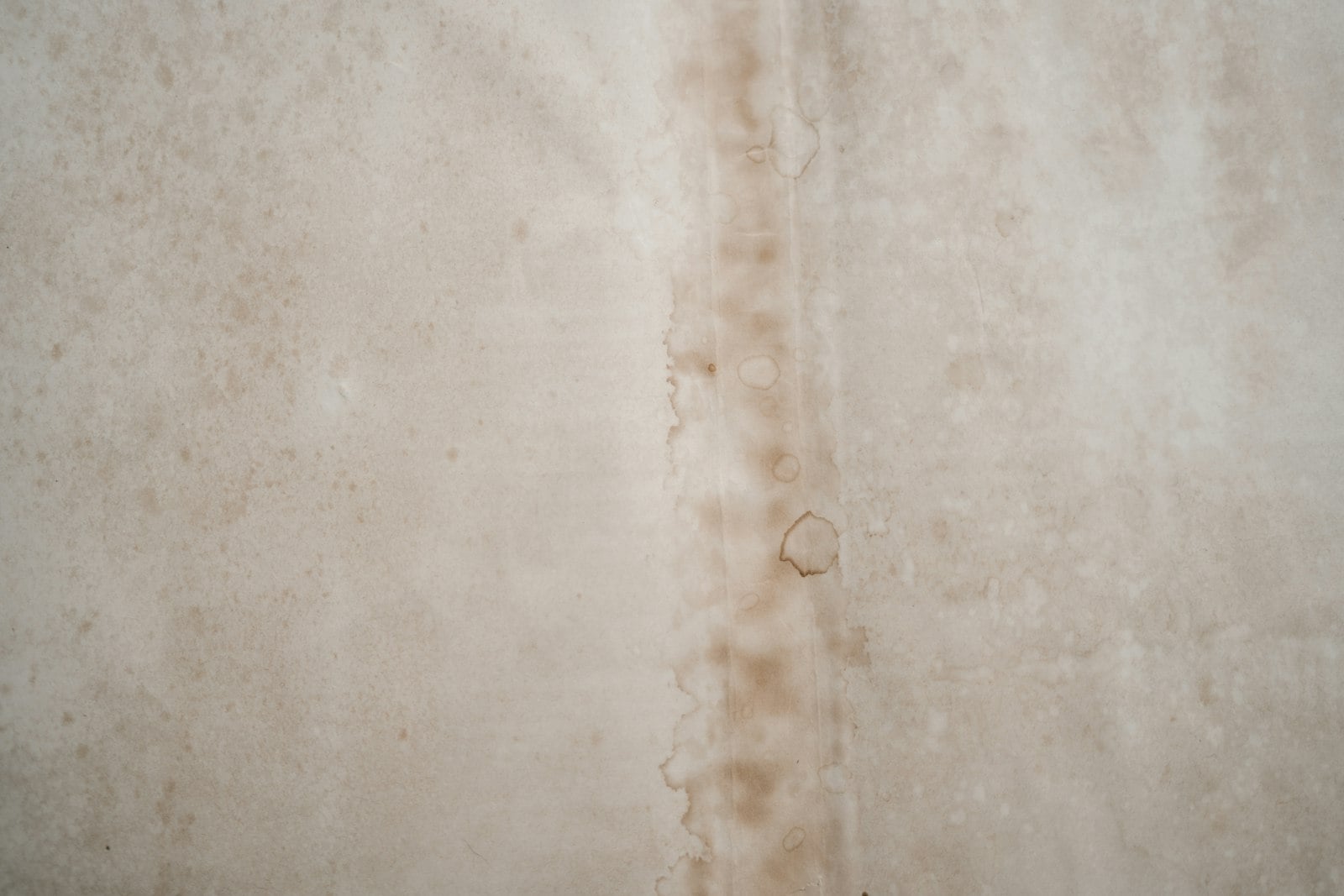
A brown ring on a ceiling is not a cosmetic problem. It is the edge of a wet area that is much wider than the mark, and a ring with a darker line inside it means the area has been wet and dried more than once. If the stain is bigger this month than last, water is still arriving.
The same applies to walls. A faint tide line low on a wall, a patch of paint that has gone slightly duller than the paint around it, or a corner that always looks shadowed is worth putting a meter on. In two-story homes, check the ceiling directly below every upstairs bathroom and laundry connection.
Things That Move
Buildings tell you they are wet by changing shape. Baseboard that has swollen, split at the paint line or pulled slightly away from the wall has taken up water at its base. Door frames that stick in one particular doorway, a floor that has developed a soft or springy spot, and tile that clicks or sounds hollow when you walk on it are all worth investigating.
Cabinets are a good early warning system because so many of them are made of particle board. If a toe kick has swollen, a drawer bottom has sagged or the base under the sink has darkened and roughened, that cabinet has been sitting in water at some point. Take everything out and look at the back corners, not just the front.
The Bill and the Meter
A water bill that jumped without any change in the household is a real clue, and one of the few that catches leaks under a slab or in an irrigation line. If you want to check, turn off every fixture and appliance that uses water, then watch the meter. If it is still creeping, water is going somewhere.
Do not assume a slab leak means a dramatic flood. Often it shows up as a warm patch on a floor, a section of tile that never feels cool, or the sound of running water when the house is quiet.
Air Conditioning Is the Quiet Culprit
In Florida, the single most common hidden water source has nothing to do with plumbing. Air conditioning systems pull a surprising amount of water out of the air, and that water leaves through a condensate line. When that line clogs with slime in the middle of summer, the water backs up and overflows into the air handler closet, the attic drip pan or the ceiling below.
The signs are a stain that appears in hot weather and improves in cooler months, water around the base of an air handler, or a musty smell that gets stronger when the system runs. Check the drip pan at the start of every summer if your air handler is in the attic.
What Not to Do When You Find It
Do not paint over a stain to see whether it comes back. It will, and in the meantime the material behind it keeps getting wetter. Do not open a wall or ceiling yourself to look, especially if there is any chance of wiring or a sagging section holding water. Do not spray bleach on a patch of growth on drywall and call it solved, because the color goes and the moisture stays.
What does help is describing what you have seen accurately: where the stain is, when it appeared, whether it changes with rain or with the season, and whether anything smells. That description points an inspection straight at the likely source.
Hidden Water Damage in Orlando Homes
Local building style makes hidden water easy. Concrete block and stucco walls with drywall furred out on the inside give water a path you cannot see, slabs hold moisture and pass it into whatever sits on top, and the humidity here means nothing dries on its own. Add tile roofs and shingle roofs under heavy tree cover, condensate lines running through attics, and seasonal homes that sit closed up for months, and a slow leak can run a long time before anyone notices. In the wooded neighborhoods east of the city, our Oviedo service page covers the roof and gutter version of the same story.
Arrange an Inspection
If something smells damp or a stain keeps growing, the useful next step is a measurement rather than a guess. Orlando Water Damage Pros can map the wet area with meters and thermal imaging, then explain whether it needs drying, mold remediation or a plumbing repair first. Read our restore versus replace guide before approving any removal, or describe what you have found and we will tell you what it usually means.