Emergency Water Extraction
Standing water has to be pulled out before anyone can tell what is damaged underneath it. That is the first hour of the job.
Emergency Water ExtractionOrlando Water Damage Pros connects you with independent water damage restoration providers across Orlando. Availability varies by provider. Ask the provider to measure what is really wet and confirm the price before any equipment goes in.
Standing water has to be pulled out before anyone can tell what is damaged underneath it. That is the first hour of the job.
Emergency Water Extraction
A floor that feels dry underfoot can still be soaked in the subfloor and the bottom foot of the walls. Meters settle that, not guesswork.
Structural Drying
A supply line or water heater that lets go while nobody is home can soak half a slab house before the sound is ever noticed.
Burst Pipe Cleanup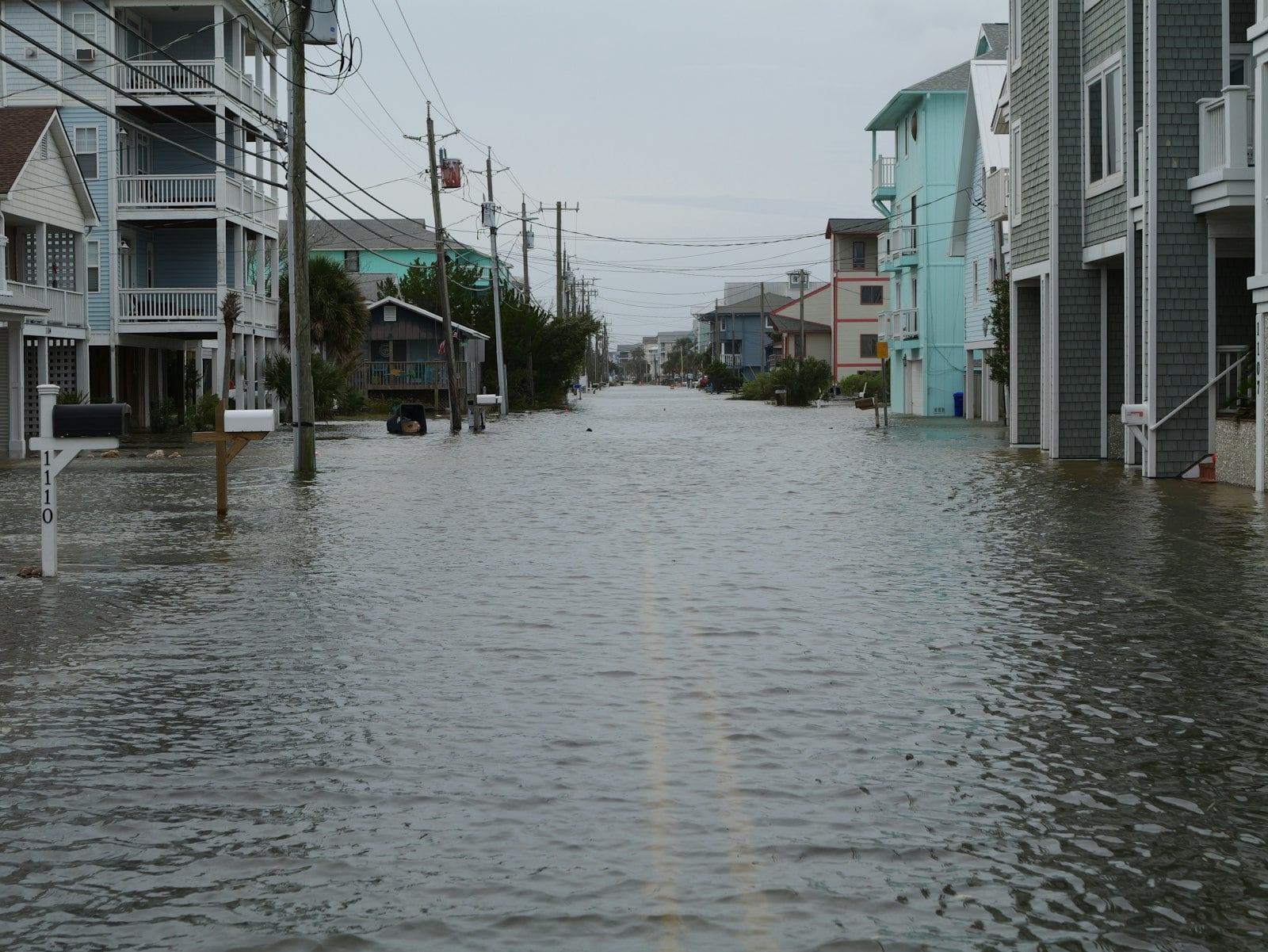
Rain that came in over the threshold or through the roof is treated differently from a clean supply leak, because of what it carries.
Storm and Flood Cleanup
A backup through a tub or floor drain is a health hazard, not a mopping job. Keep everyone out of the room and call.
Sewage Cleanup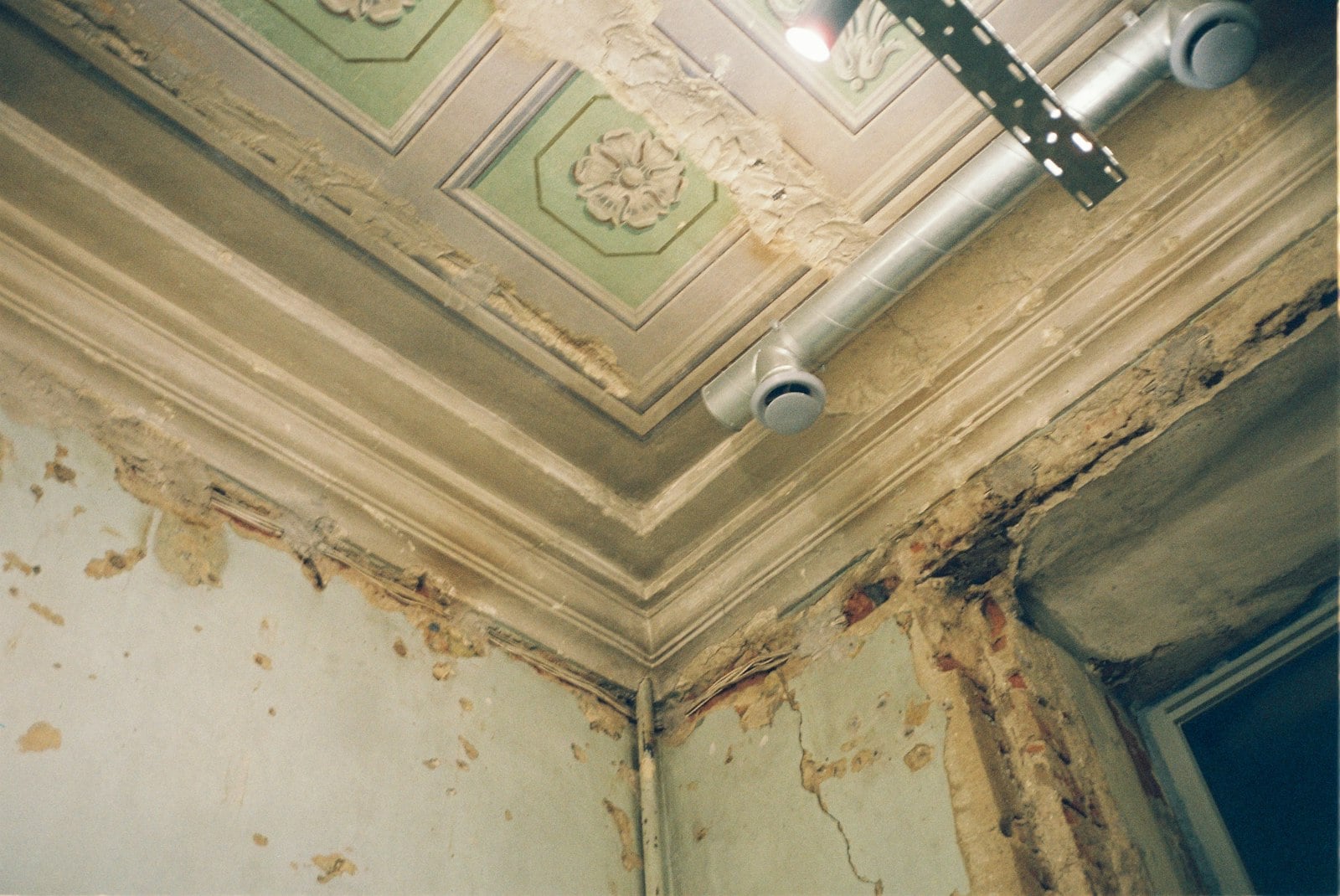
In Central Florida humidity, damp material grows mold fast. The wet source is found and stopped before anything gets cleaned.
Mold Remediation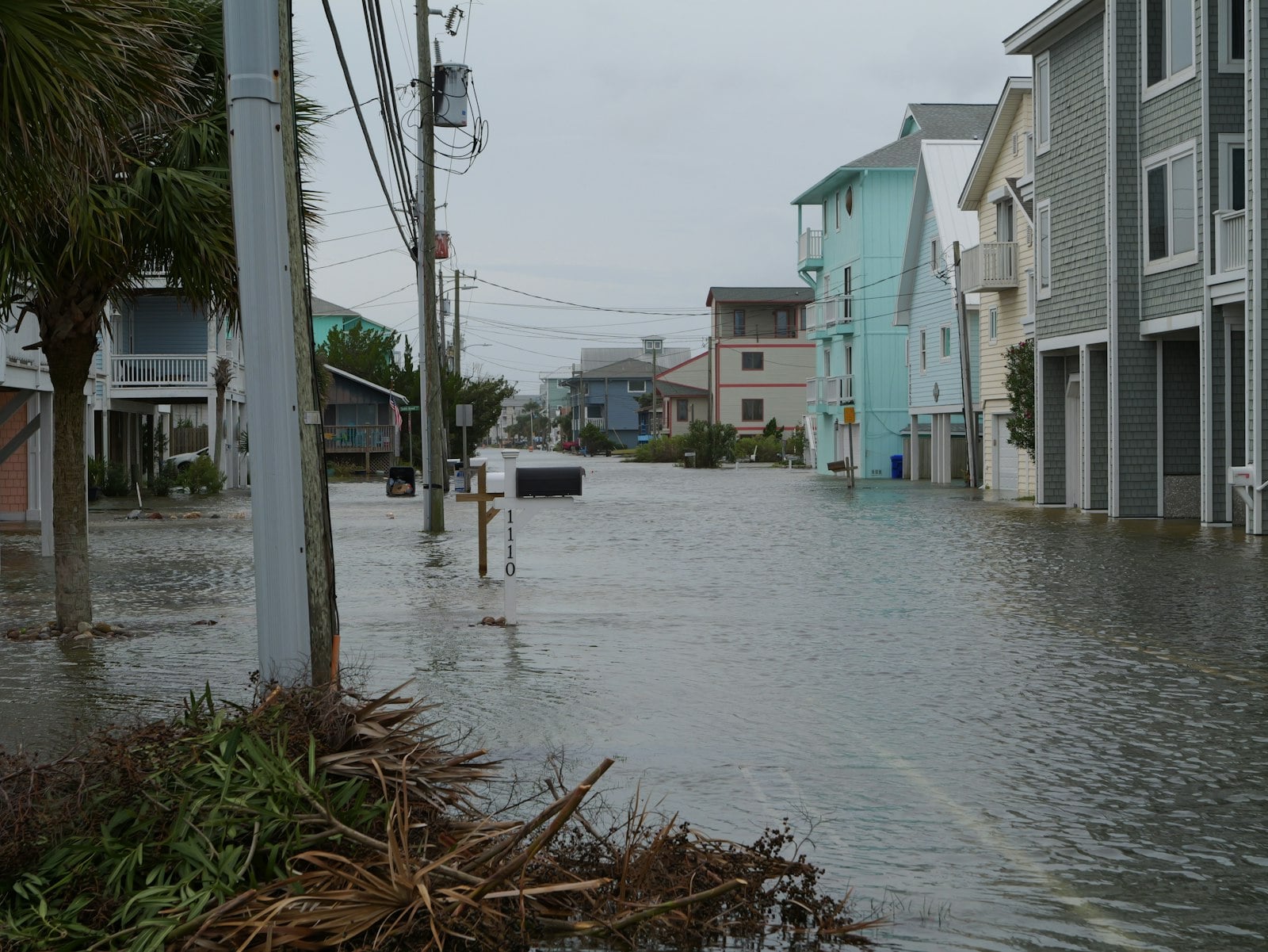
Stores, offices, clinics and vacation rentals need the work staged around opening hours and documented properly.
Commercial Restoration
Rain that got past the roof lands in the attic first. The ceiling stain below it is the last part of the story, not the first.
Roof Leak Cleanup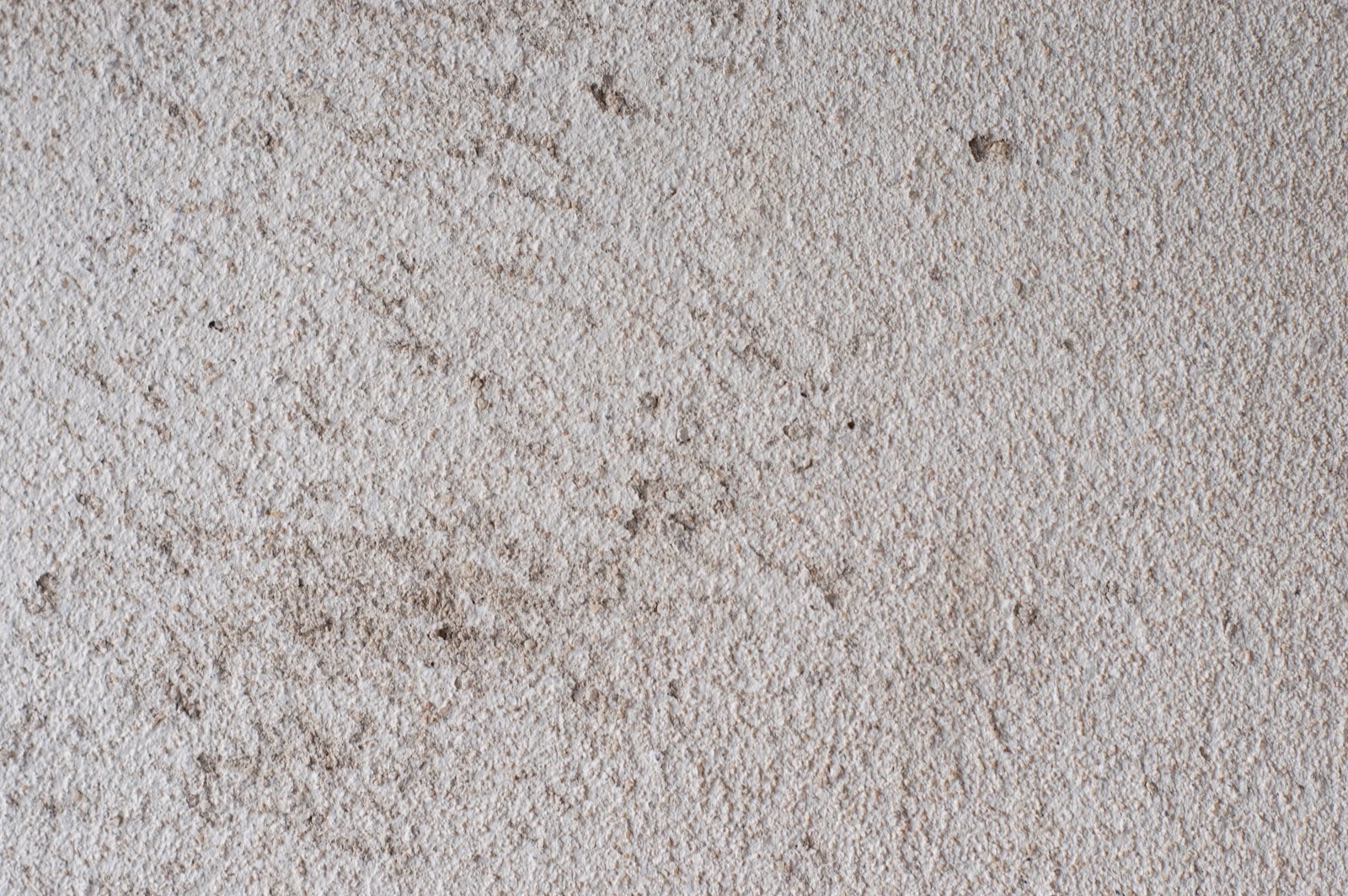
A washing machine hose, a dishwasher gasket or a water tank can soak a kitchen or laundry room long before anyone notices.
Appliance Leak CleanupMoisture meters and thermal imaging show how far water traveled under tile, behind baseboard and into the bottom of the drywall. That map decides what dries and what comes out.
Ask the independent provider to explain what is wet, what the drying plan is and what it costs before equipment is set. If there is more than one reasonable approach, ask about both.
Give the property address and say whether water is still arriving. Availability and scheduling depend on the independent provider and the property location.
Orlando houses sit on concrete slabs with no basement, so water runs sideways across the floor instead of draining away, and the humidity keeps wet material wet. Add summer storms that push rain under roof edges, air conditioning condensate lines that clog every August, retention ponds and lakes that come up fast, and hurricane rain like Ian in 2022, and you have most of the local water losses.
Shut the supply off if there is a valve you can reach safely, keep people off wet flooring near outlets, and photograph each room before anything is moved.
What to do first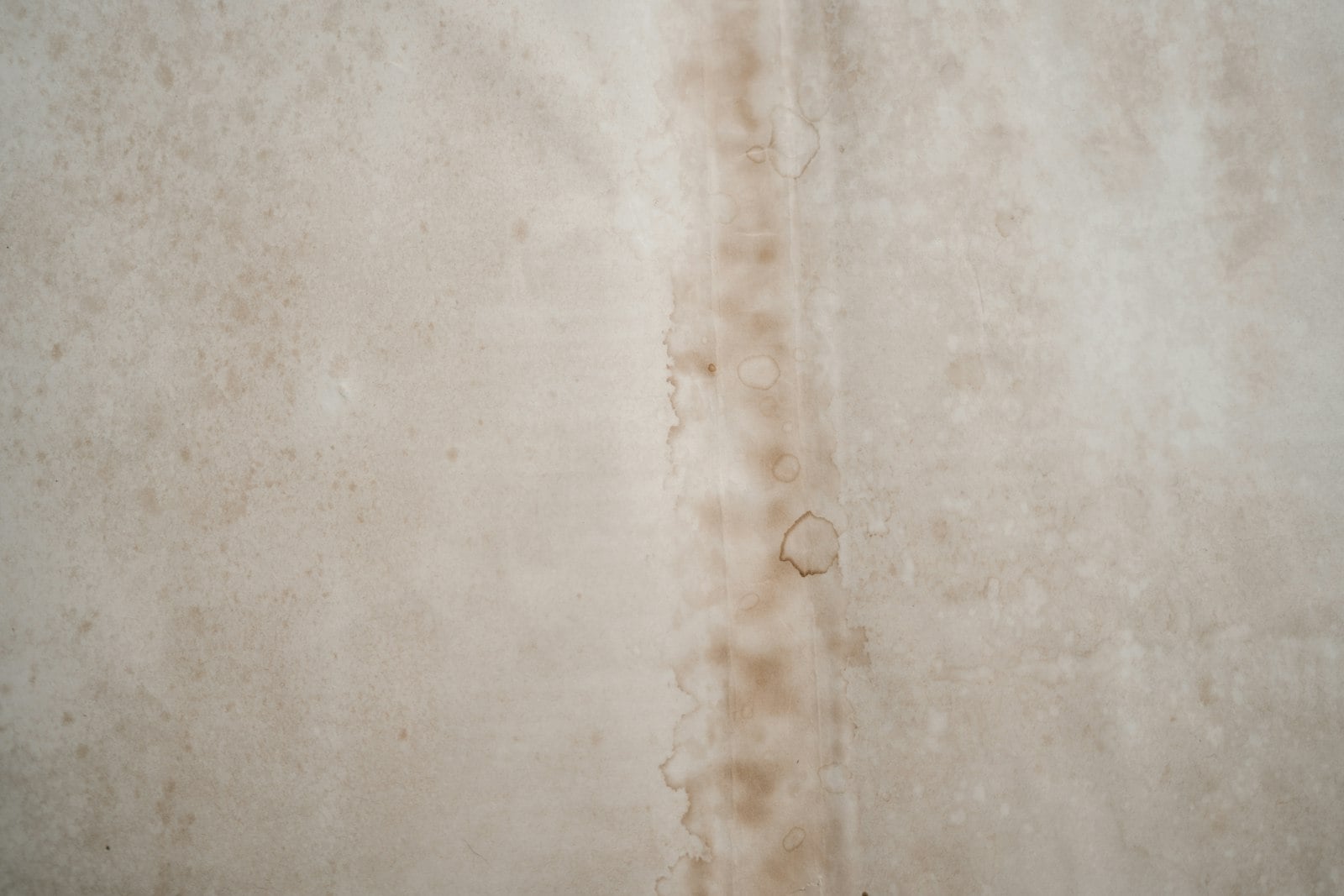
A stain that keeps growing means water is still arriving from above. The wet area behind the drywall is almost always wider than the mark you can see.
Signs to look for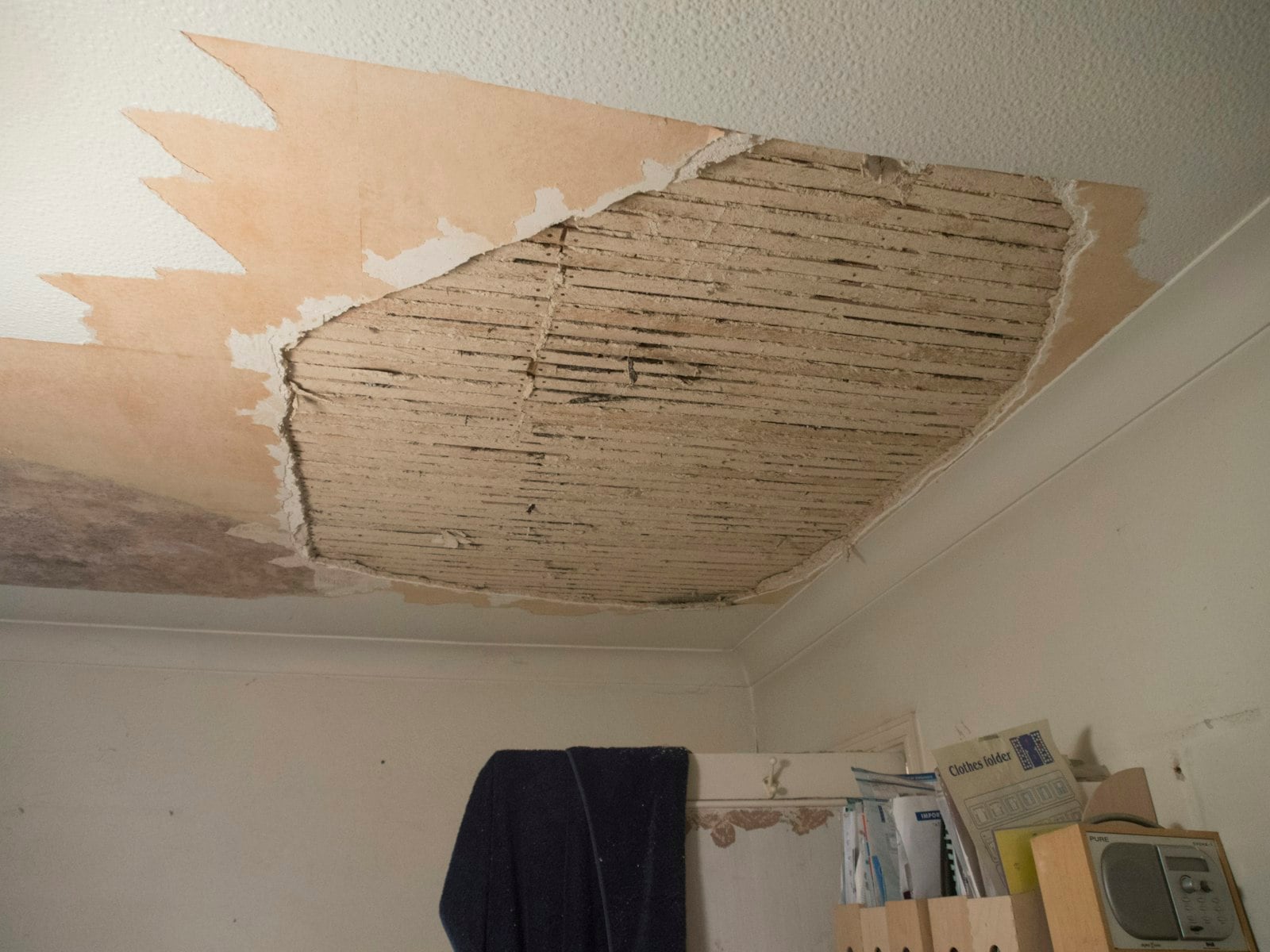
Drywall holding water can drop without warning. Stay out from under it, move what you can from the room and let the weight be released safely.
Burst pipe cleanup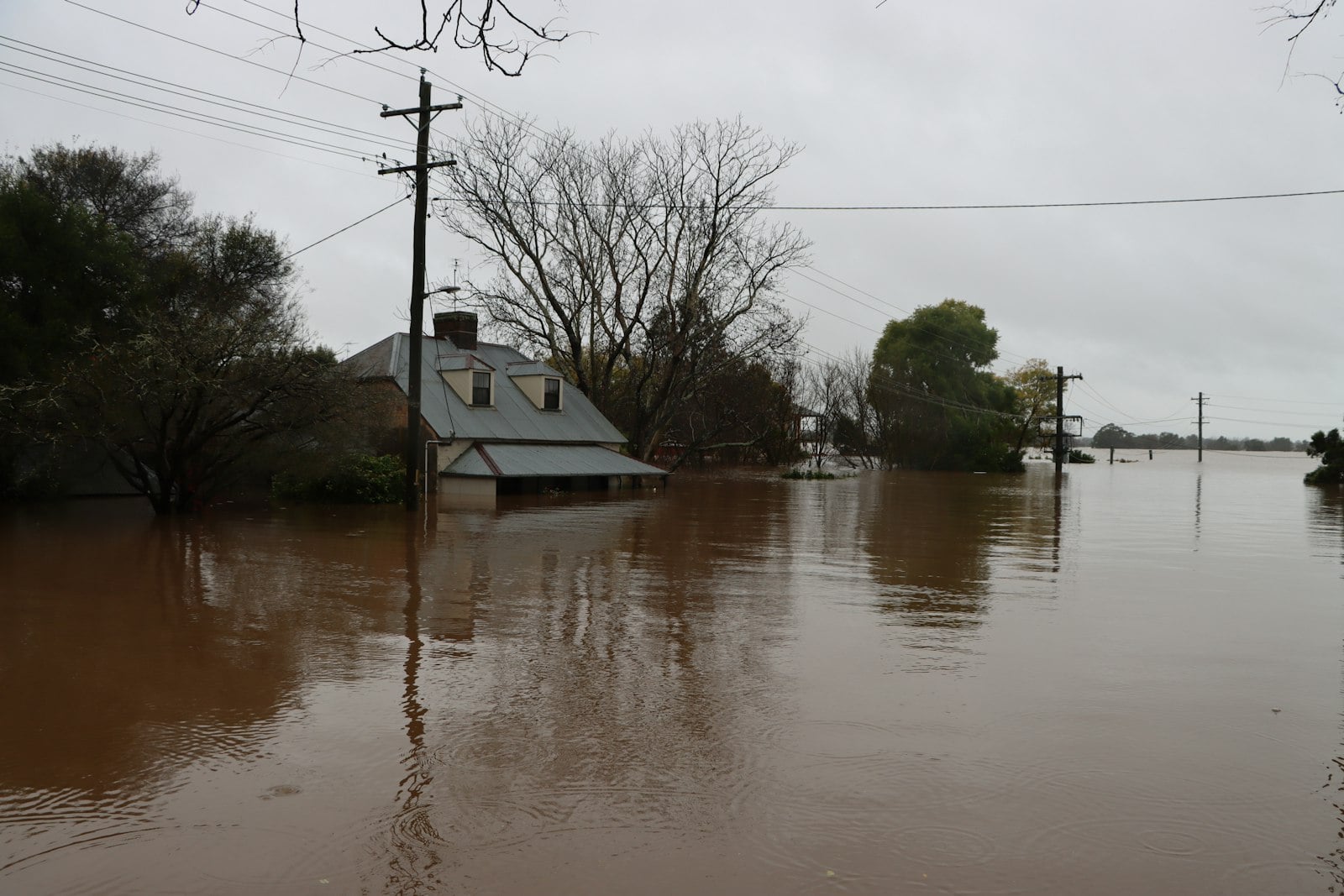
Rain that came in over the threshold brings yard runoff and whatever the street carried with it, which changes what can be kept and what has to go.
Storm and flood cleanupStop running water anywhere in the house, keep children and pets out of the room, and leave the air conditioning off until the area is contained.
Sewage cleanupA damp smell that will not clear usually means something is still wet behind a finish. The leak is found and stopped before any cleaning starts.
Mold after water damageSay where the water is coming from, how many rooms are wet and whether it has stopped, to check whether an independent provider is available.
Shut off the supply if you can reach the valve safely and stay clear of wet floors near outlets and cords. Nothing you have to force, nothing risky.
Ask the provider to map the wet area with meters, photograph the damage for your records and confirm the scope and price before equipment is set.
Water comes out, air movers and dehumidifiers run, and readings are taken each visit until the wet materials match the dry parts of the building.
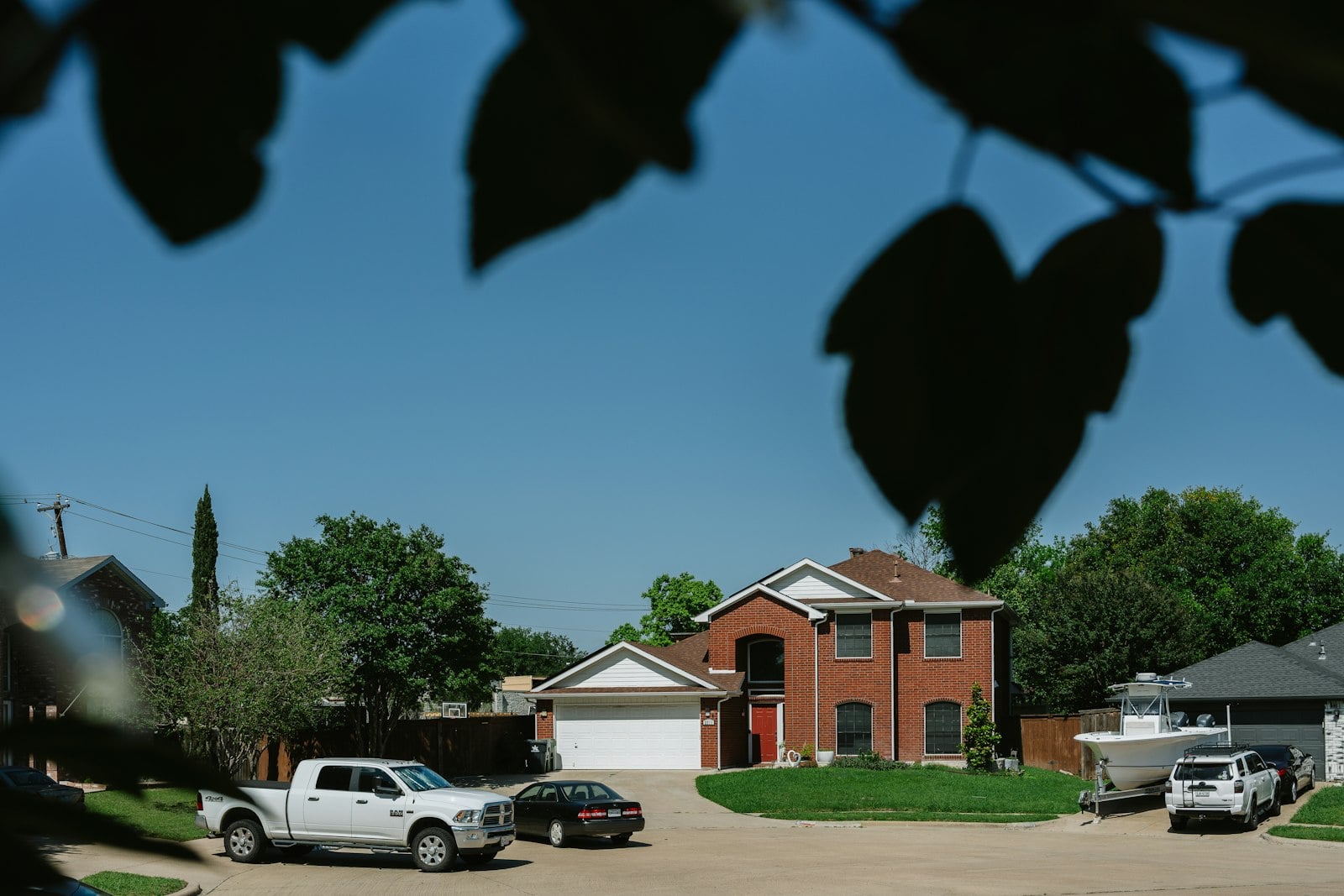
Older homes around the chain of lakes and Park Avenue, with mature oaks over the roofs and plenty of original plumbing still in use.
View Winter Park service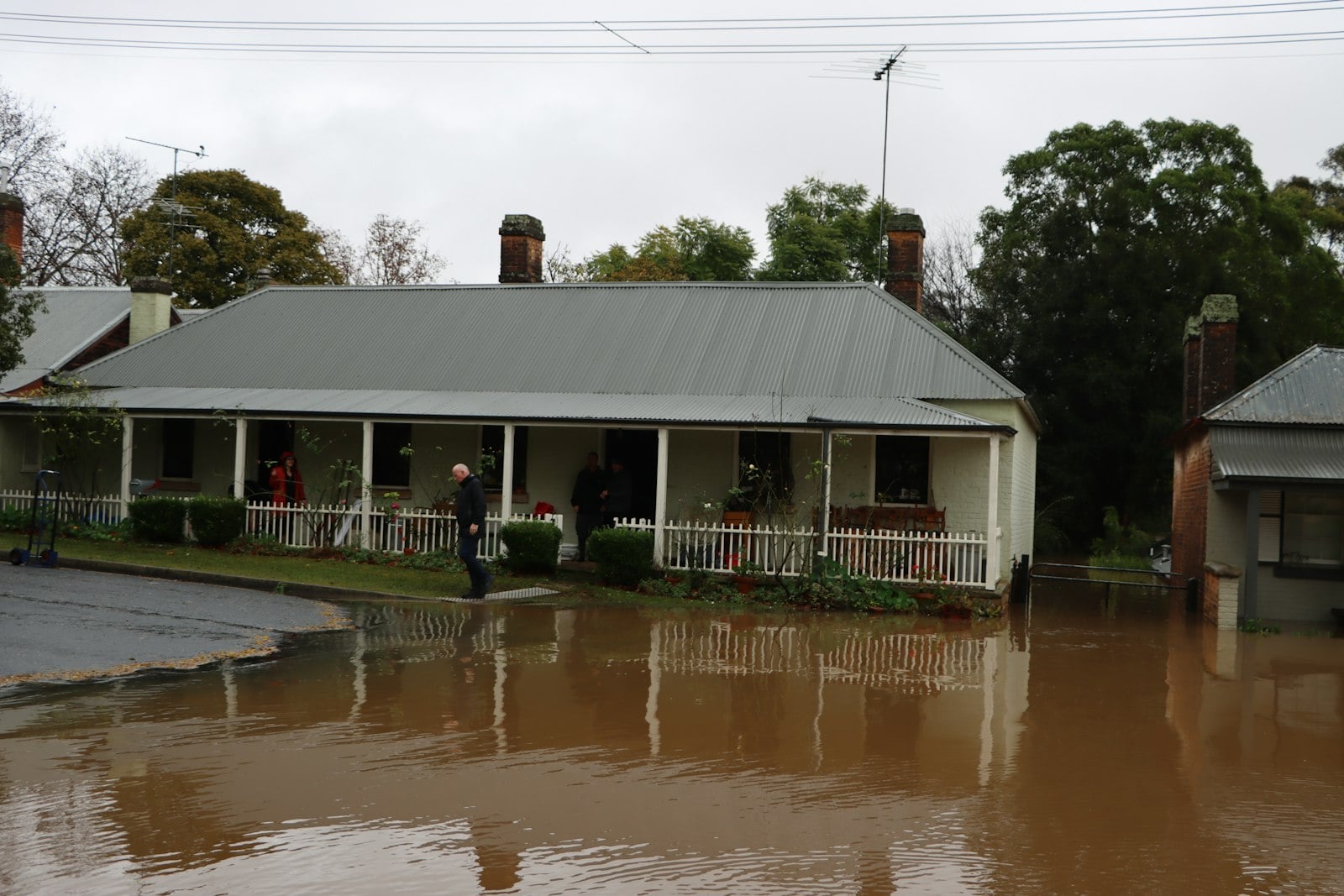
Osceola County houses and vacation rentals that sit empty between guests, where a leak can run for days before anyone walks in.
View Kissimmee serviceStreets near Lake Monroe and the St. Johns River, plus a historic downtown where wood floors and old plaster react badly to water.
View Sanford service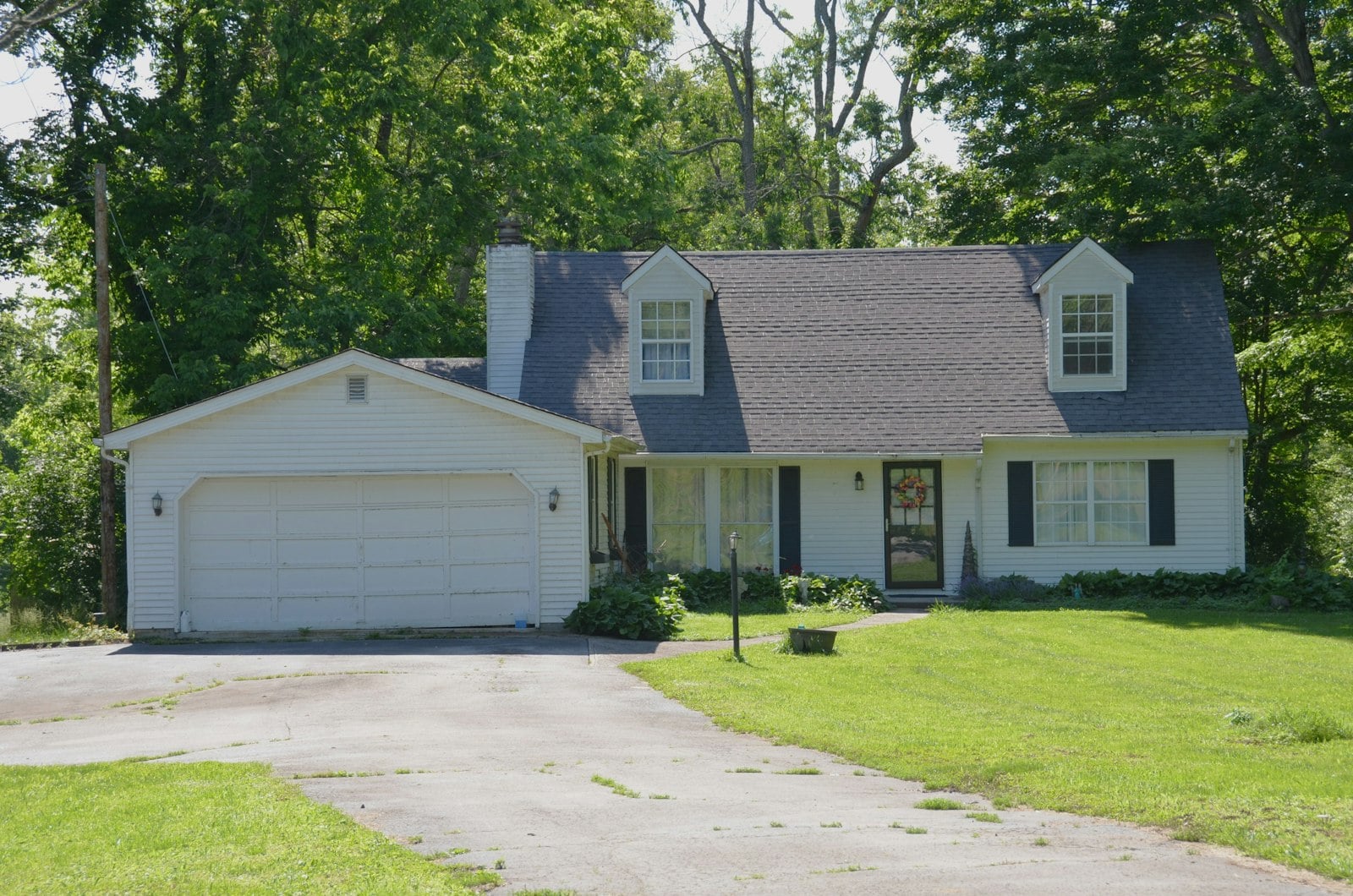
Seminole County neighborhoods and condo buildings, where an upstairs unit leak lands on a downstairs ceiling before anyone finds the source.
View Altamonte Springs serviceNewer subdivisions off I-4 where loose supply connections, condensate lines and roof penetrations account for most of the water calls.
View Lake Mary service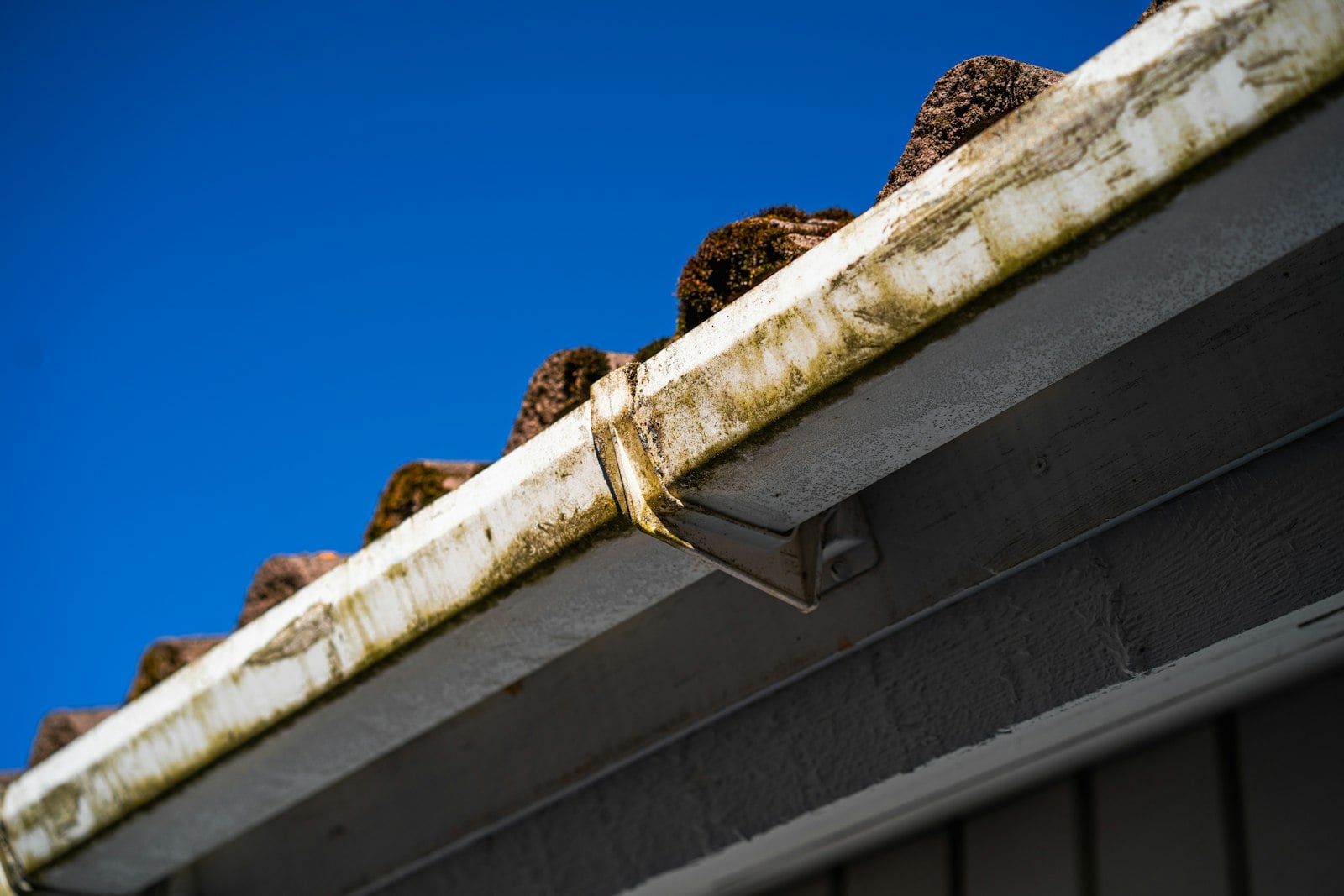
Wooded lots and shaded roofs east of the city, where blocked gutters and heavy summer rain send water against the walls.
View Oviedo serviceWest Orange County growth, from downtown cottages to two-story new builds where an upstairs leak shows up on the first floor.
View Winter Garden serviceNorthwest Orange County, from older homes along the downtown strip to newer subdivisions out toward Wekiwa Springs.
View Apopka serviceLake County hills above the chain of lakes, where runoff comes down a slope and finds a garage or a front threshold.
View Clermont serviceIt depends on how far the water traveled, how many rooms and materials are wet, whether the water was clean or contaminated, and how many days of drying the building needs. Ask the independent provider to map the wet area with meters first and confirm the price before any equipment goes in or anything is removed. See how a job is scoped and approved.
The same day if you can manage it. Water keeps moving under flooring, into cabinet bases and up the drywall while you decide, and Central Florida humidity means damp material can start growing mold within a day or two. Call to reach an independent provider; availability depends on the provider and the property location. See what emergency extraction covers.
Orlando Water Damage Pros connects callers across Orlando and the surrounding Orange, Seminole and Osceola County communities with independent providers. Have the property address ready and say whether water is still arriving when you call. See what to have ready when you call.
Some of it can usually be dried and kept, and some of it cannot. Clean water caught in the first day often dries in place; carpet pad, soaked insulation and drywall that has been wet for days normally come out. The water source and the moisture readings decide it, material by material. Compare drying and replacing here.
Call Orlando Water Damage Pros to be connected with an independent water damage restoration provider. Availability and scheduling depend on the provider and the property location, so ask the provider to confirm timing for your address. See the communities covered.
Shut the water off at the fixture valve or the main if you can reach it safely, stay off wet floors near outlets and cords, photograph every room before you move anything, and lift what you can off the floor. Do not pull up flooring or cut drywall yourself. See the full first-24-hours checklist.
It depends on what is wet and how much of it. A small clean-water spill in one room is short work; a soaked slab, cabinet run and wall base takes longer, and concrete gives up water slowly. Ask the independent provider for an expected range after the first readings and for updates as the numbers move. See how drying progress is measured.
It can, and quickly. Mold needs wet material rather than humid air, so anything that stays damp for a day or two in this climate is at risk. That is why drying to a measured reading matters more than getting the surface to look dry. If a leak was wiped up but never dried, have it checked. See how growth after a leak is handled.
Not in a room where water has reached outlets, cords, an air handler closet or the panel, and not under a ceiling that is sagging. If the water came from a sewage backup, keep everyone out of that area entirely, stop running water in the building and leave the air conditioning off. See how contaminated water is handled.
Ask the provider to document the damage the way an adjuster expects: photographs before anything is moved, a moisture map, daily readings and a written scope. Nobody can promise how a claim will be decided, and coverage depends entirely on your own policy and the cause of the water. See what to document and when.
Call and describe what the water is doing to reach an independent provider.