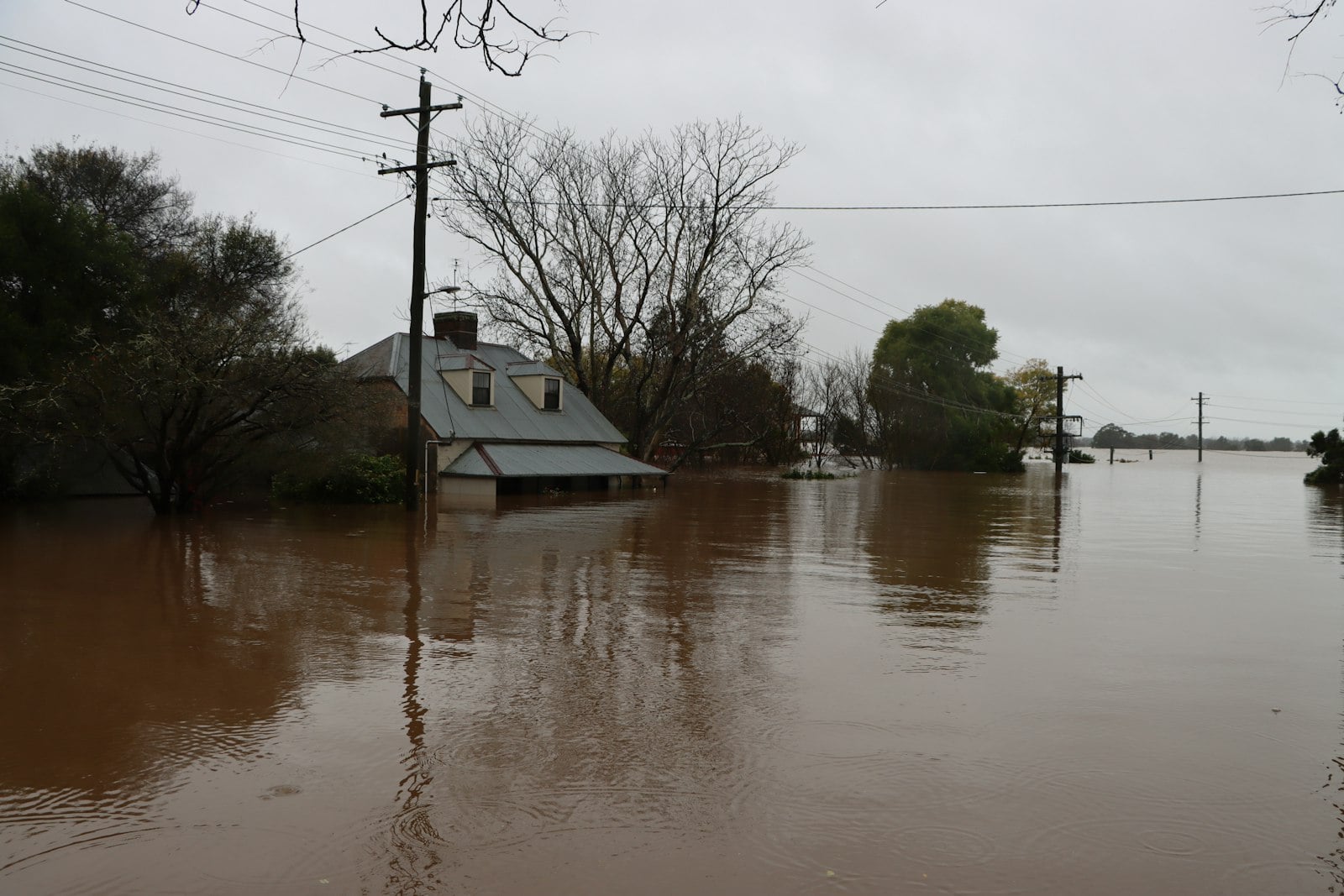
Storm and Flood Cleanup
River and lake levels stay high for weeks after a wet season, long after the rain stops.
Storm and Flood CleanupOrlando Water Damage Pros connects Sanford callers with independent restoration providers. With Lake Monroe and the St. Johns River on the doorstep and a historic downtown full of old building stock, water here soaks into material that does not forgive delay.
River and lake levels stay high for weeks after a wet season, long after the rain stops.
Storm and Flood Cleanup
Old wood, plaster and heart pine need a measured drying plan, not a guess.
Structural Drying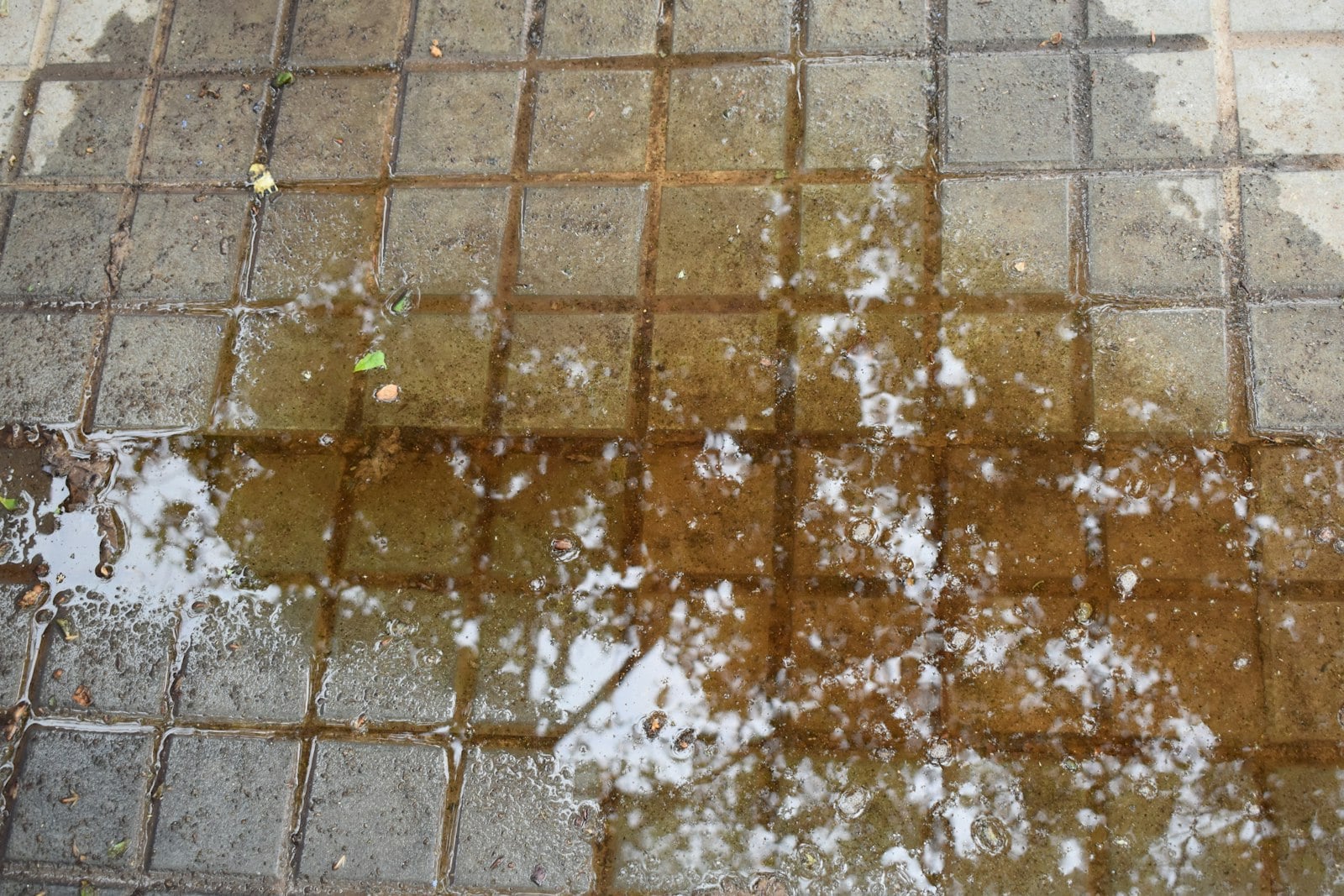
Older lines under downtown streets back up when the system is already full of rainwater.
Sewage CleanupSanford splits neatly into two jobs. Downtown and the surrounding historic district have wood-frame houses from the early 1900s with heart pine floors, plaster and crawl spaces in places, plus commercial buildings along First Street that were never built with modern waterproofing. Those properties reward careful drying, because the materials in them are genuinely hard to replace.
The rest of town is later slab construction, including 1970s onward subdivisions and newer builds out toward the airport and Lake Mary Boulevard, where water runs flat across the slab exactly as it does elsewhere in the region. What both share is the water table. With Lake Monroe and the St. Johns River right there, the ground stays wet through the summer and drains slowly after a tropical system.
Mention roughly when the property was built. It changes the drying plan more than the size of the puddle does.
Older downtown houses may have space under the floor. Say so, because water sits there quietly and keeps the floor above damp.
Shops and offices downtown need the work staged around trading hours and documented for the landlord.
In a historic Sanford house, the answer often leans toward drying. Solid wood flooring, framing and plaster give their water back if the response is quick and the drying plan is right. What usually still comes out is anything modern and porous that was added later: carpet pad, fiberglass insulation and particle-board cabinet bases.
Read the dry and restore versus replace guide before approving any tear-out, see structural drying for how readings drive the plan, and mold remediation if the smell suggests something has been damp for a while.
See also water damage restoration in Lake Mary and the rest of the service areas.
It follows the measured scope: the area affected, the materials, whether the water was clean or contaminated, the days of drying required and any rebuild. Historic materials sometimes take longer to dry but less to replace. Ask the provider to quote after inspecting. See how a job is scoped and approved.
Call to be connected with an independent provider for Sanford, downtown and out toward the airport. Give the address, say whether water is still arriving and mention the building's age, because that steers the plan from the first visit. See what to have ready when you call.
It depends on the provider. Availability and scheduling depend on the independent provider and the property location, so ask the provider to confirm timing for your address. See what emergency extraction covers.
Often yes, with sensible limits. Stay off wet floors near outlets and cords, keep out from under a sagging ceiling, and keep the affected room closed if the water came from outside or from a backup. Ask the provider which rooms are usable each day. See how outside water is handled.
Frequently, if the water was clean and drying starts quickly. Solid wood and plaster dry better than modern laminates, but they do it slowly, so patience and readings matter more than powerful equipment. Cupped boards sometimes settle back as the moisture equalizes. Compare drying and replacing here.
It keeps the ground wet, which slows outside drainage and means yards and low driveways hold water for longer after a storm. That raises the chance of water arriving at the door rather than through a pipe, and outside water is treated as contaminated. Ask the provider to check the outside path as well as the damage inside. See how storm water is handled.
Call and describe what the water is doing to reach an independent provider.