Appliance Leak Cleanup

Dishwashers, washing machines, refrigerators and water tanks all sit on a line that is under pressure every minute of the day. Orlando Water Damage Pros connects callers with independent providers who clean up and dry the damage when one of them lets go in an Orlando property.

  • Restoration Referrals
  • Independent Pros
  • Drying & Repairs

Signs an Appliance Is Leaking

  • A puddle that returns on the kitchen or laundry floor after you wipe it up
  • Cabinet toe kicks or the base of a vanity going dark, soft or swollen
  • Tile or laminate lifting, cupping or sounding hollow near an appliance
  • A rusty ring or damp patch under a water tank in the garage or a closet
  • Wet drywall on the other side of the laundry wall, or in the room below it
  • A musty smell around the dishwasher that does not clear after running it

The leak is often nowhere near the puddle. Water runs under a cabinet run or along the slab and surfaces at the first gap it finds, so the stain in the middle of the kitchen floor can be coming from a supply line behind the refrigerator. That is why the wet area gets mapped before any flooring or cabinet base comes out.

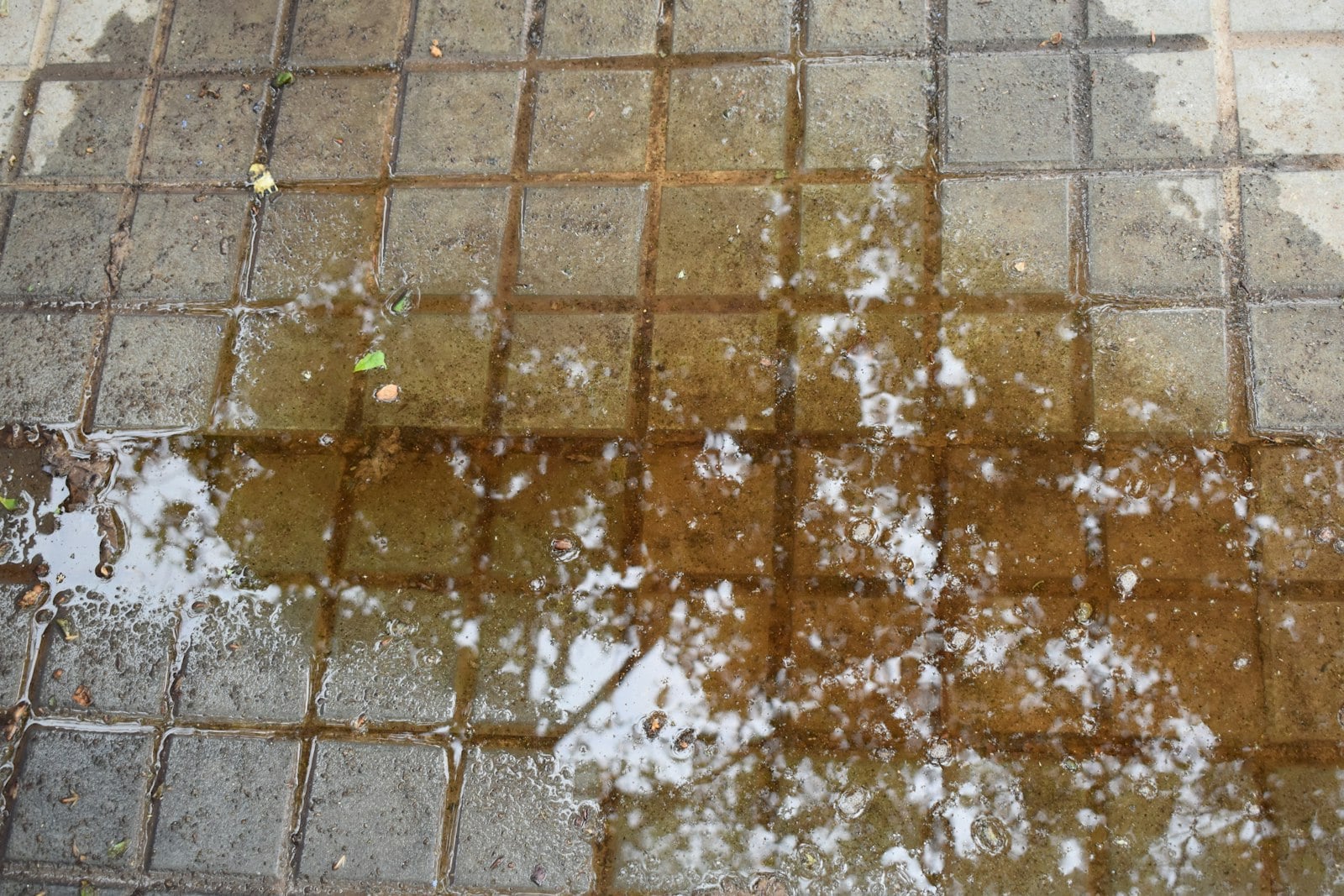
Puddle of water on a tiled floor

What the Service Includes

Restoration providers deal with the water and the materials it soaked. Repairing or replacing the appliance itself is a separate trade, so ask the provider where each part of the job begins.

Stopping the flow safely

Most appliances have their own shutoff behind or beneath them; if you cannot reach it, the main valve at the front of the house or the meter box at the street does the same job. If a valve is stuck, do not force it; leave it for the provider.

Extraction and cabinet drying

Water is pulled from the floor, then out of the places it hides: under the cabinet boxes, behind the toe kick, inside the wall cavity and between the flooring and the slab. Cabinet bases are often dried in place with small openings rather than being torn out.

Checking the floor below

In a two-story house or a condo unit, a laundry or kitchen leak upstairs tends to be discovered on someone's ceiling downstairs. The unit or room underneath is always checked before the drying plan is set.

Category of the water

A clean supply line is one thing; a dishwasher or washing machine discharge carries detergent, food waste and whatever else was in the load. That changes what can be cleaned and kept and what has to be removed, and it is decided at the inspection.

Documentation for your records

Ask for the failed connection, the wet area, the readings and the materials removed to be photographed and written down, which is what you will want if you take the loss to an insurer.

Repairs after drying

Flooring, baseboard, drywall and cabinet parts are put back once the meters say the area is dry. Ask the provider to confirm that scope and its price before the work starts.

Why Small Appliance Leaks Get Big

Almost every appliance leak is slow before it is sudden. A braided supply hose to a washing machine weakens for years and then splits in a second. A refrigerator ice-maker line weeps a few drops a day behind a cabinet where nobody looks. A dishwasher gasket lets a little water past on every cycle and it runs straight under the cabinet run. A water tank in a hot garage corrodes from the inside and then opens at the bottom seam. In a slab house with no basement there is nowhere for any of it to drain, so it spreads sideways and wicks up into the drywall and the cabinet particle board.

Timing decides most of the scope. A hose that bursts while you are standing in the kitchen is a couple of wet rooms. The same hose bursting on a Monday in a property nobody visits until the weekend is a different job entirely, which is why leaks in the Kissimmee vacation rentals around Orlando are often much wider than the owner expects.

The immediate stages are emergency water extraction and structural drying. A pressurized line that split rather than dripped is covered under burst pipe and leak cleanup. If the leak had been running a long time, read mold remediation, and use the dry and restore versus replace guide to see how wet cabinets and flooring are judged. Not sure what you are looking at? Call and describe it.

Appliance Leak Questions

Should I pull the appliance out to look behind it?

Only if the floor is dry where you are standing and the appliance is not plugged into an outlet you would have to reach across water to get to. Standing water and electricity do not mix. If the floor is wet, leave it, take a photo from a safe distance and let the provider move it. Dragging a refrigerator across a wet, softened floor also tends to add damage rather than reveal anything.

Do my kitchen cabinets have to be replaced?

Not automatically. Solid cabinet boxes that were only damp at the base can often be dried in place through small access openings and kept. Particle board that swelled, delaminated or crumbled does not come back, and neither does a toe kick that has been sitting in water. The reading and the condition of the material decide it, not the calendar, and the two paths are compared in the restore versus replace guide.

Will my insurer treat an appliance leak differently?

Policies vary and this site does not interpret them, but what helps in every case is the same: photographs before anything is moved, the failed part kept rather than thrown out, and a written record of what was wet and what was removed. Ask the provider to document the job as it goes. See what to document and in what order.

How do I stop this happening again?

Replace old rubber washing-machine hoses with braided steel ones and check them once a year, look under the sink and behind the refrigerator every few months with a flashlight, close the laundry valves if a property is going to sit empty, and keep an eye on the drain pan under a water tank. In this climate a slow leak becomes a damp-material problem faster than most people expect. See the early signs worth watching for.

Call about appliance leak cleanup in Orlando

Call and describe what the water is doing to reach an independent provider.

Call for Service: (407) 537-3074