Extraction and removal
Water is pulled out and soaked porous material that cannot be cleaned to a safe standard, such as carpet pad and wet insulation, is removed rather than dried in place.
Rain that gets inside brings the yard and the street with it. Orlando Water Damage Pros cleans up after roof leaks, wind-driven rain and flooding at Orlando properties, and treats outside water as contaminated from the start.
Orlando is inland, so there is no storm surge here, but hurricane and tropical rain still gets in three ways: through the roof when wind lifts shingles or drives water under the edge, through window and door openings on the windward side, and up over the threshold when the ground cannot take any more water. Ian in September 2022 put water into Orange and Osceola County neighborhoods that had never flooded before, well after the wind had gone.
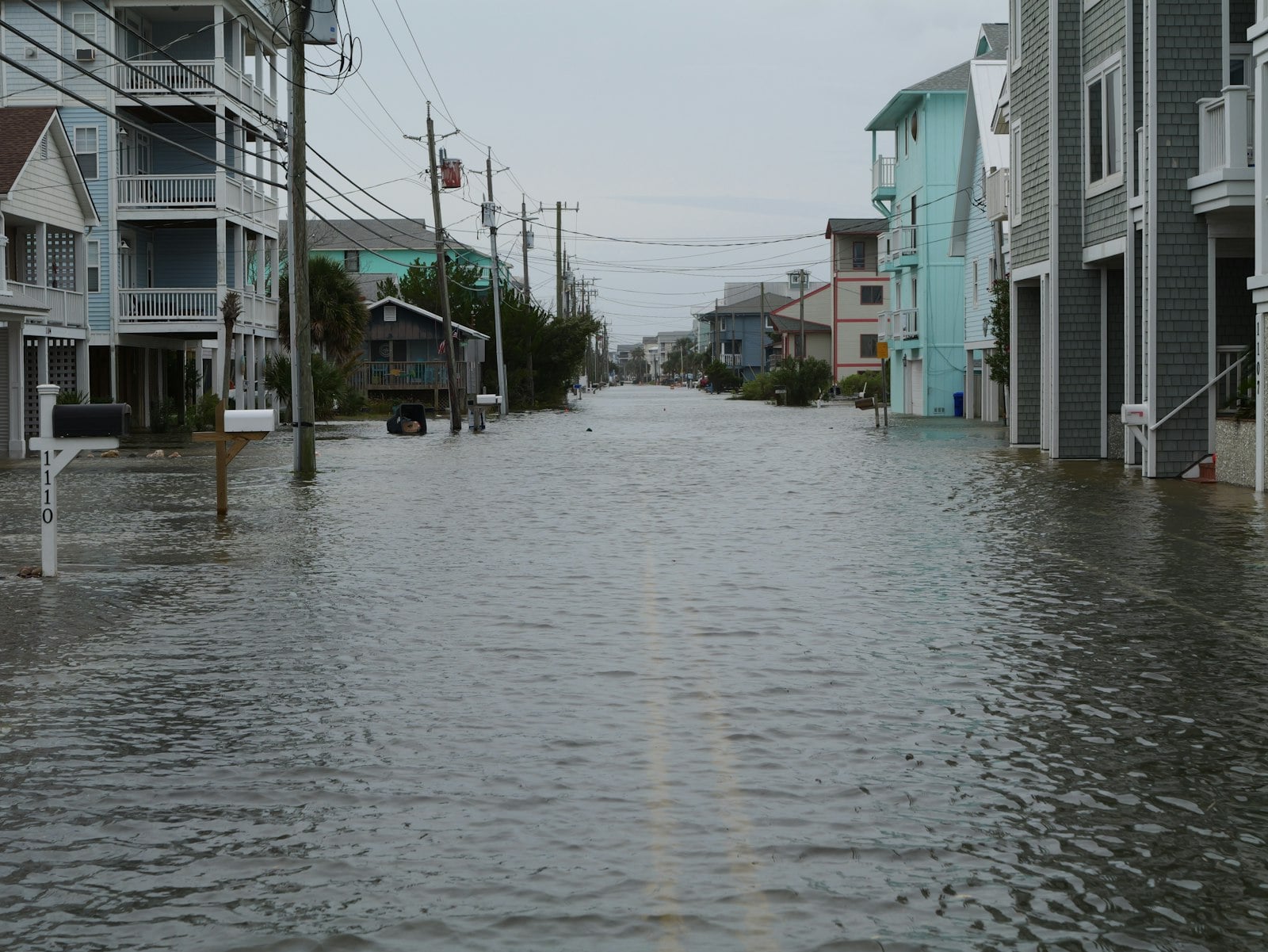
Water that came from outside is handled differently from a clean supply leak, because of what it carried in with it.
Water is pulled out and soaked porous material that cannot be cleaned to a safe standard, such as carpet pad and wet insulation, is removed rather than dried in place.
Hard surfaces that stay are cleaned and treated. Floodwater carries soil, fertilizer, fuel and whatever the street was holding, so rinsing is not the same as cleaning.
When the water came through the roof, the wet area is usually above the stain. Insulation and ceiling framing are checked before the ceiling is closed back up.
Block walls, slabs and framing hold water long after the surfaces look dry, so equipment stays until the readings match the dry parts of the building.
Two decisions matter most in the first day. The first is whether the building is safe to be in: sagging ceilings, water near a panel or an air handler, and any doubt about the roof structure all mean stay out and get eyes on it. The second is documentation, because photographs taken before anything is moved are worth more later than any description written afterwards.
Do not run the air conditioning if outside water or sewage has been through the house. The system will move contaminated air and damp into every room it serves. If sewage backed up during the storm, see sewage cleanup, and if a sudden crack or a settling floor appears after heavy rain, that is a question for a structural engineer rather than a restoration crew, since Central Florida has sinkhole-prone ground.
Next steps are usually extraction and drying. Read what to document for a claim, compare drying against replacing, or check which areas we cover. When the rain came in through the roof rather than across the yard, the work is covered under roof and ceiling leak cleanup.
The pad almost never is, and the carpet itself depends on what the water carried. Water that came off a yard or a street is treated as contaminated, so porous material that held it is normally removed. A clean roof leak onto carpet is a different situation and can often be dried. Orlando Water Damage Pros will tell you which one you have after the inspection.
Not after outside water or a sewage backup. The air handler will pull damp and contamination through the ducts into rooms that are still clean. During drying, the crew will tell you whether the system should run at all, and dehumidifiers do the real work anyway.
It follows the scope: how much water came in, how far it spread, whether it was contaminated, how much material has to be removed and how many days of drying the building needs. You get an upfront quote from Orlando Water Damage Pros after the wet area is measured, and any change is explained before it happens.
We document the damage properly: photographs before anything is moved, a moisture map, readings and a written scope, which is what an adjuster asks for. Nobody can promise how a claim will be decided, and coverage depends on your own policy. See claim basics for what to gather.
Tell us what the water is doing right now and we will plan the call around it.