Work staged around opening hours
Where the space has to keep operating, the job is split by area and time so you are not closed any longer than the drying actually requires.
Every hour a unit stays closed costs money. Orlando Water Damage Pros connects Orlando offices, stores, clinics, restaurants and rental properties with independent providers; ask about staging around trading hours.
Commercial buildings hide water better than houses do. Suspended ceilings, raised floors, hollow block walls and long runs of mechanical space all give it somewhere to sit unnoticed. By the time a ceiling tile drops, the wet area is usually far bigger than the room it appeared in.
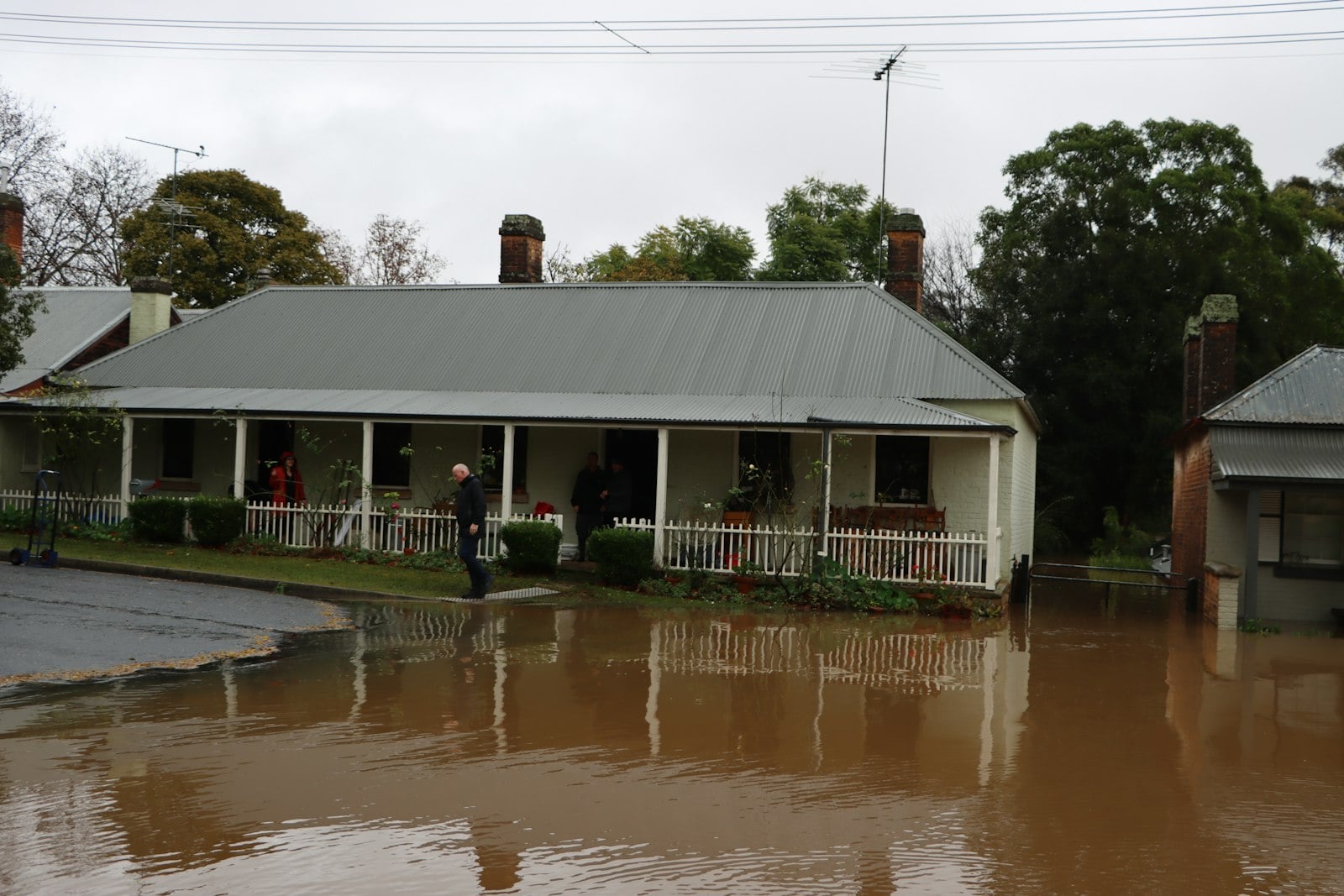
Commercial work is scoped the same way as residential, with the addition of access, tenants and trading hours as real constraints.
Where the space has to keep operating, the job is split by area and time so you are not closed any longer than the drying actually requires.
When water crosses between units or floors, each affected space is inspected and documented separately so responsibility is clear to everyone involved.
Move items at risk off wet floors early. Tell the provider what is irreplaceable, sensitive or regulated so it is handled first, not last.
Photographs, moisture maps, daily readings and a written scope go to whoever needs them: the owner, the property manager or the adjuster.
Commercial jobs go more smoothly when access is sorted out on the first call. The provider will need to know who can open the space at night, whether there is a property manager or a triple-net lease arrangement, where the water shutoff and the panel are, and whether any part of the building has to stay operational while equipment runs.
Vacation rentals and short-term rental homes around Orlando sit in between residential and commercial. They are built like houses but managed like businesses, and they are often empty between guests, so leaks run longer. The same applies to seasonal properties whose owners are away for the summer.
See emergency extraction and structural drying for the core stages, storm and flood cleanup for weather events, and the restore versus replace guide for the decisions that come up on tenant improvements. Coverage is listed in service areas.
Often, and for most retail and office spaces that is the sensible approach. Ask the independent provider to plan the stages around your trading hours where the drying allows it. Some phases, such as running dehumidification, continue through the day but do not stop you using the space.
That is a lease and insurance question rather than a restoration one, and it varies by building. What helps is documenting each affected space separately with its own photographs and readings, which is what owners, managers and adjusters need in order to sort it out. Ask the provider for those records in writing.
It scales with the affected area, the materials involved, the water category, how much has to be removed and how long drying takes. Ask the independent provider to inspect and quote before equipment goes in, and to explain any change in scope before it is carried out.
Access, a site contact who can approve the scope, the location of the water shutoff and the electrical panel, and a list of anything sensitive in the space. Mention whether the water has stopped and how many units are affected when you call the number.
Call and describe what the water is doing to reach an independent provider.