Orlando Flood Cleanup for Rental Homes
Flood cleanup in an Orlando rental or vacation home starts with keeping guests and tenants safe, taking photos, and getting wet materials dry fast. This page explains who usually handles what, how flood water differs from a pipe leak, what to document for insurance, and how to reach a local provider by phone.
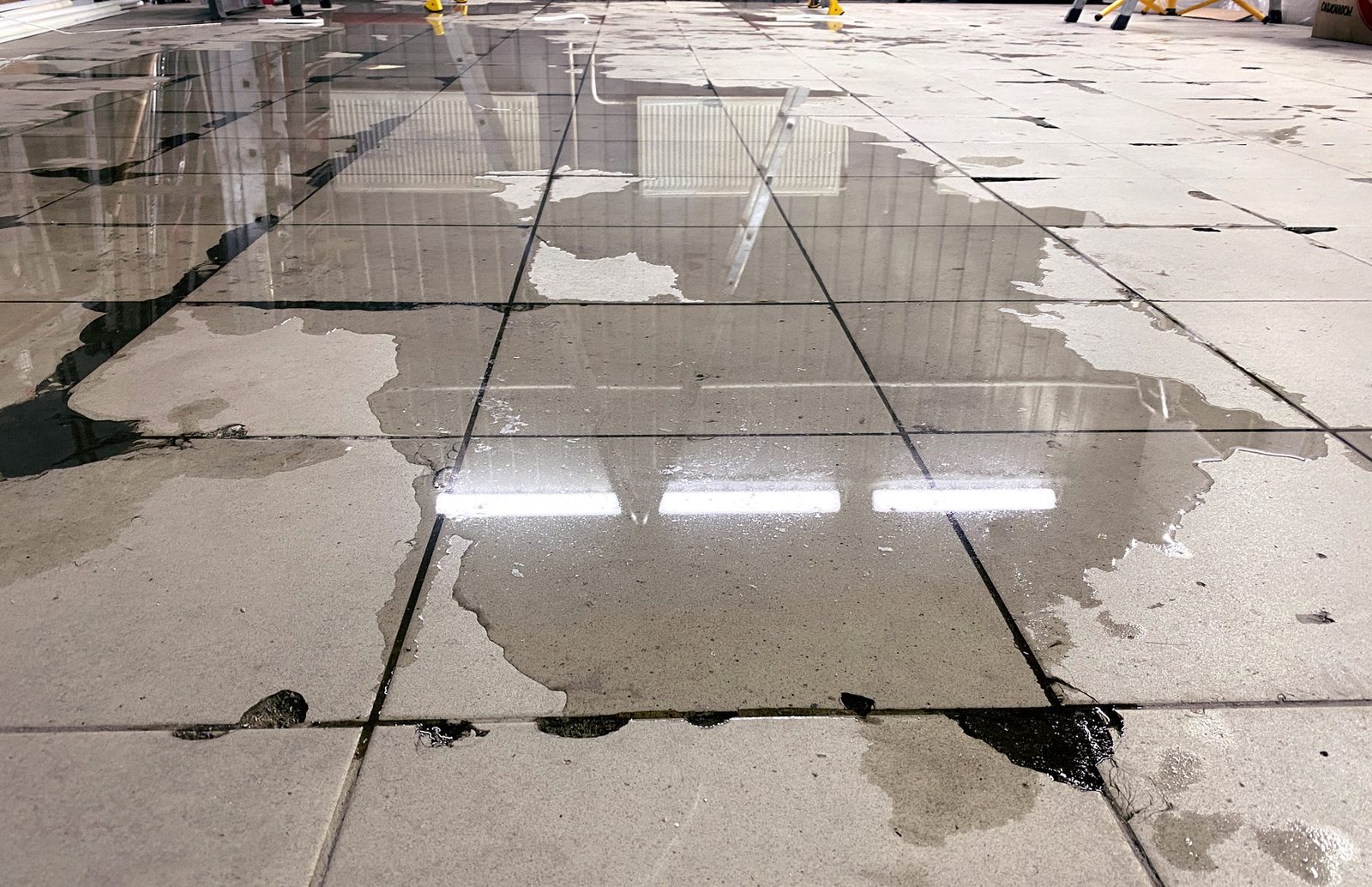
- The official Atlantic hurricane season runs from June 1 to November 30, so late-season storms can still bring flooding to Orlando rentals.
- The Florida Department of Health advises cleaning up spills and drying wet building materials and carpets in under 24 hours.
- FEMA says most homeowners insurance does not cover flood damage, and an NFIP flood policy typically has a 30-day waiting period.
- The City of Orlando recommends that all renters buy flood insurance for their contents.
- Many policies treat sudden damage differently from gradual leaks, so check your policy and document everything.
What to do first
- Get tenants or guests out of flooded rooms and keep them away from standing water near outlets, cords and appliances.
- Turn off power to wet areas only if the breaker panel can be reached from a dry spot.
- Take wide photos and short videos of every affected room, the outside water line and damaged belongings before anything is moved.
- Tell the property owner or manager, and the owner should notify the insurance company.
- Call to be connected with a local flood cleanup provider who can check availability for the address.
What does flood cleanup involve for an Orlando rental home?
Flood cleanup for an Orlando rental home means removing standing water, cleaning and disinfecting what the flood touched, pulling out materials that cannot be saved, and drying the structure with fans and dehumidifiers. For a rental, it also means keeping the tenant or guest informed and keeping clear records for the owner.
The work itself is close to what any flooded house needs. A provider usually starts with water extraction, then moves to cleaning and structural drying. The difference with a rental is the paperwork, the access schedule and the number of people who need to know what is happening.
Who is responsible for flood cleanup, the landlord or the tenant?
In most Orlando rentals, the owner handles the building, such as walls, floors and built-in fixtures, while the tenant handles their own belongings. Your lease spells out the details, so read it before anyone starts tearing things out.
- Owners and managers: arrange the cleanup, contact the insurance company about the structure, and keep records of every step.
- Tenants: report the flood right away, take photos of personal items, and contact their own renters policy about contents.
- Vacation guests: leave the unit if it is unsafe and tell the host or manager as soon as possible.
Clear, quick communication keeps a stressful week from turning into a dispute.
How is flood water different from a burst pipe leak?
Flood water comes from outside, such as rising water or runoff after heavy rain, and it is usually dirty. A burst pipe releases clean supply water, at least at first. That difference changes how much material has to be removed and how much cleaning is needed.
Outside flood water can carry soil, yard chemicals and sewage. Carpet pad, soaked drywall near the floor and insulation that sat in it are often removed rather than dried. If the water backed up through drains, a provider may treat it like a sewage cleanup. It also matters for insurance, because flood is handled differently from a sudden pipe break.
Need help now? Call to be connected with a local provider in Orlando who can check availability for your address.
What should vacation home owners in Kissimmee and Clermont do after a flood?
Vacation home owners should first make sure no guests are inside a flooded unit, then pause upcoming bookings until the home is clean and dry. Ask your local manager for photos and video right away if you live out of town.
Short-term rentals often sit empty between stays, so water can go unnoticed for days. That gives moisture more time to soak into drywall, cabinets and furniture. If you manage a home from a distance, set up a plan now for who checks the property after a storm and who you call to arrange cleanup. A provider can walk the home with your manager and send you notes and photos.
What should I document for insurance after a rental flood?
Document everything before cleanup starts: wide photos of each room, close photos of damage, the water line on walls, and a list of damaged items. Keep every receipt and every message with your tenant, manager and insurer.
- Note the date and time you learned about the flood.
- Photograph damaged materials before they are removed, and keep a sample if your insurer asks.
- Save the cleanup provider's written scope and moisture readings.
FEMA says most homeowners insurance does not cover flood damage. Owners and tenants may have different policies for the building and the contents, so check your policy. Our insurance claim basics guide covers more of the claim process in Florida.
What happens during the visit?
During the visit, a local provider inspects the property, checks how far the water spread, and explains your options before any work starts. You get a written quote first, so the owner or manager can approve the plan.
- Inspection: a walk-through of every affected room, plus moisture readings in walls, floors and cabinets.
- Options explained: what can be dried in place, what should be removed, and whether flood water needs extra cleaning.
- Written quote: a scope of work in writing before cleanup begins, which also helps with insurance records.
If the owner is out of town, ask whether the provider can share photos and readings with you and the manager.
How fast does a flooded rental need to be dried?
A flooded rental should be dried as fast as possible. The Florida Department of Health advises cleaning up spills and drying wet building materials and carpets in under 24 hours, which helps limit mold growth.
Orlando's humid air makes drying slower, especially in a closed-up unit with the air conditioning off. Running dehumidifiers and air movers helps pull moisture out. The Florida Department of Health says most experts suggest indoor relative humidity below 60%, and below 50% is ideal for controlling both mold growth and dust mites. If you already see growth, read about mold remediation after water damage.
Can tenants stay in the home during flood cleanup?
Sometimes tenants can stay if the flooding is limited to one area, but it depends on how much water came in and whether power, bathrooms and the kitchen are safe to use. A provider can explain what parts of the home are affected.
Drying equipment is loud and runs around the clock, and some rooms may need to be closed off. If the flood water was dirty or reached many rooms, it may be easier for everyone if the tenant stays elsewhere for part of the work. Talk through the plan with your tenant, and check your lease and policy for how temporary housing is handled.
Flood cleanup in Orlando, Kissimmee and nearby areas
Central Florida rentals face a long rainy stretch each year. An NWS Melbourne study found the median onset of the wet season at Orlando is May 24 and the median onset of the dry season is October 15. The official Atlantic hurricane season runs from June 1 to November 30, so October storms can still bring flooding.
Flood insurance timing matters for owners and renters. FEMA says an NFIP flood policy typically has a 30-day waiting period before it takes effect. The City of Orlando participates in FEMA's Community Rating System and currently ranks as a class 6, which it says can equal a 20% discount on flood insurance. Orange County says flood insurance policyholders in unincorporated areas receive a 25% discount thanks to its class 5 rank.
Calls come from rental owners and tenants across Orlando, Kissimmee, Clermont, Winter Garden, Winter Park and Sanford. See all service areas.
Related pages
Questions people ask
Who pays for flood cleanup in an Orlando rental home?
It depends on the lease and the policies involved. In most rentals, the owner handles the building and the tenant handles their own belongings, but check your lease and policy for the details.
How do I find flood cleanup in Orlando for my vacation rental?
Call the number on this page to be connected with a local flood cleanup provider who can check availability for your address. Have the address, a short description of the damage and the manager's contact ready.
Does homeowners insurance cover flood damage in a Florida rental?
Usually not. FEMA says most homeowners insurance does not cover flood damage, and the Florida Department of Financial Services says flood damage is not covered by a homeowners policy. Check whether you have a separate flood policy.
Should renters in Orlando have flood insurance?
The City of Orlando recommends that all renters buy flood insurance for their contents. A renter's policy covers the tenant's belongings, not the building itself.
How long is the waiting period for a flood insurance policy?
FEMA says an NFIP flood policy typically has a 30-day waiting period before it takes effect. FEMA lists some exceptions, such as when a lender requires the policy.
What should a tenant do first if their apartment floods?
Get out of the flooded area, stay away from water near outlets, and tell the landlord or manager right away. Then take photos of your belongings for your own renters policy.
Can I clean up flood water in my rental myself?
Small amounts of clean water can sometimes be handled by the owner, but outside flood water is usually dirty. Soaked drywall, carpet pad and insulation often need to be removed, so many owners call a provider.
What is the difference between flood damage and water damage for insurance?
Flood usually means water from outside, such as rising water or surface runoff, while water damage often means a sudden leak inside. Many policies treat these differently, so check your policy and document everything.
How long does it take to dry out a flooded rental home?
It depends on how much water came in, what materials got wet, and the humidity inside. A provider takes moisture readings and keeps drying until materials reach normal levels.
Do I need to remove drywall after a flood in Orlando?
Often the lower part of drywall that sat in dirty flood water is cut out and replaced. A provider can check moisture levels and explain what can be dried and what should come out.
Can mold grow after a flood in a vacation home that sits empty?
Yes, moisture left in a closed, humid home gives mold a chance to grow. The Florida Department of Health advises drying wet building materials and carpets in under 24 hours.
Should I test for mold after flood cleanup?
The Florida Department of Health does not recommend mold testing or sampling to see if you have a mold problem. Focus on finding and fixing the moisture source and drying the home.
How do I manage flood cleanup if I live out of state and own an Orlando rental?
Have a local manager or trusted contact check the home and send photos, then call to be connected with a local provider. Ask for written quotes and photos so you can approve work from a distance.
Is there a deadline to file a property insurance claim in Florida?
Under Florida law, notice of a new or reopened property insurance claim generally must be given within 1 year after the date of loss. This is general information, not legal advice, so check with your insurer.
What is the date of loss for a hurricane claim in Florida?
Under section 627.70132, Florida Statutes, the date of loss for a hurricane claim is the date the hurricane made landfall. For other weather events, it is the date NOAA verifies the event.
Does Orlando get floods after hurricane season peaks?
Yes, it can. The hurricane season runs from June 1 to November 30, and the National Hurricane Center says most activity falls between mid-August and mid-October.
Talk to someone about your water damage problem
Call to be connected with a local provider who can check availability for your address and explain the next step.