Ceiling Water Damage Repair Cost in Orlando
Ceiling water damage repair cost in Orlando comes down to one big question: can the wet section be dried and patched, or does a larger area of drywall and insulation have to come out and be replaced? The leak source, the size of the stain, how long it stayed wet and any mold all push the answer one way or the other.
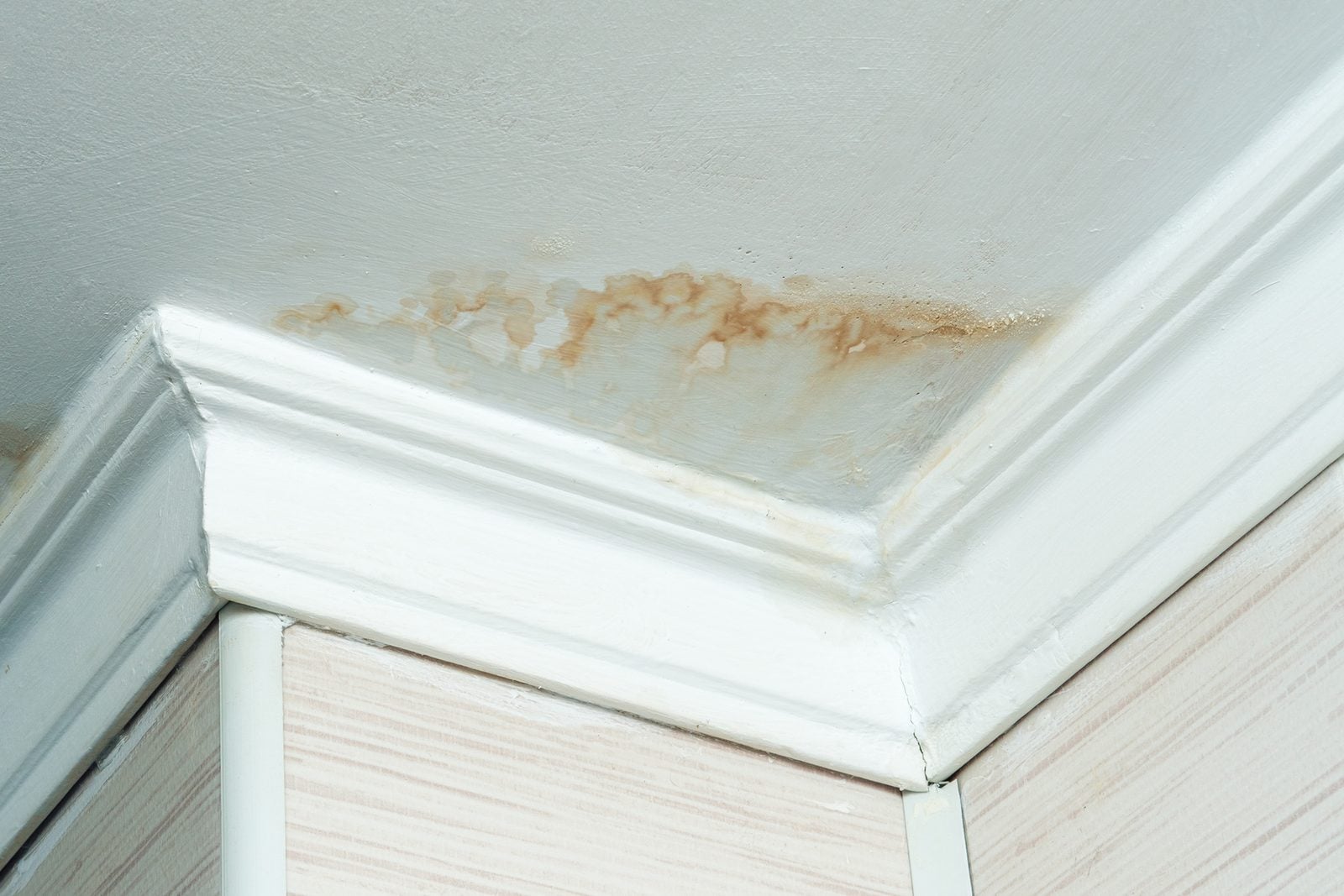
- A small, quickly dried stain from a one-time leak is usually a patch-and-paint job, while sagging, soft or crumbling drywall usually has to be cut out.
- Wet attic insulation above the ceiling often has to be removed, and that adds to the scope even when the drywall looks fine from below.
- The Florida Department of Health advises cleaning up spills and drying wet building materials and carpets inside 24 hours.
- Under section 468.8411, Florida Statutes (2026), mold assessment and mold remediation cover mold growth of more than 10 square feet.
- The leak has to be fixed first. Repairing a ceiling before the roof, pipe or AC line is stopped means paying for the same repair twice.
What affects ceiling water damage repair cost in Orlando?
In Orlando, ceiling water damage repair cost depends on what caused the leak, how much of the ceiling got wet, how long it stayed wet, what sits above it, and whether the drywall can be dried and patched or must be replaced. A local provider sorts this out during an inspection and puts the scope in a written quote.
A ceiling repair is a set of separate tasks, each small or large depending on the damage:
- Finding and stopping the source: a roof leak, an upstairs bathroom, a burst supply line or an AC drain line.
- Drying: fans, dehumidifiers and moisture readings in the ceiling and the space above it.
- Removal: cutting out soft drywall and pulling wet insulation.
- Rebuild: new drywall, tape, mud, texture and paint.
- Extras: mold work, light fixture or fan removal, and moving furniture out of the way.
For the bigger picture, see our post on water damage restoration cost in Orlando.
When can a water-stained ceiling be repaired instead of replaced?
A ceiling can often be repaired in place when the leak was a one-time event, the wet area is small, the drywall is still firm and flat, and it dried out quickly. In that case the work may be drying, sealing the stain with a stain-blocking primer, and repainting.
Signs that point toward a repair:
- The stain is small and has a dry, crisp edge.
- The drywall feels hard when you press gently with a broom handle.
- There is no sag, bubble or crack along the tape seams.
- Moisture readings come back normal after drying.
- There is no musty smell from the ceiling or attic.
Painting over a stain without drying first is a common mistake. The stain often bleeds back through, and trapped moisture can keep feeding hidden damage.
When does a damaged ceiling need to be replaced?
A section of ceiling usually needs to be cut out and replaced when the drywall is sagging, soft, crumbling, or pulling away from the framing, or when it soaked for a long time or was hit by dirty water. Replacing only the damaged section, rather than the whole ceiling, is common.
Signs that point toward replacement:
- A bulge or belly in the ceiling, which can mean water is pooling on top.
- Drywall that feels mushy or flakes apart.
- Tape seams that have peeled or popped.
- Visible mold on the surface or a strong musty smell.
- Water from a toilet overflow, sewer backup or other dirty source.
Safety note: a sagging ceiling can hold a lot of water and may give way. Keep people and pets out from under it, move belongings, turn off power to any light or fan in that area at the breaker, and call to be connected with a local provider. Our page on dry and restore vs. replace explains how that choice is made for other materials too.
Need help now? Call to be connected with a local provider in Orlando who can check availability for your address.
How does the source of the leak change the cost?
The source matters because it decides how dirty the water is, how much water came through, and what else has to be fixed before the ceiling. A clean supply line leak is often simpler than a roof leak during a storm or an overflowing toilet upstairs.
- Roof leaks: water usually soaks attic insulation first, and the roof itself must be repaired before the ceiling. Our page on roof and ceiling leak water damage covers this case.
- Upstairs bathrooms: a leaking tub drain, shower pan or toilet seal can drip for weeks before the stain shows below.
- Plumbing lines: a burst supply line can release a lot of clean water fast.
- AC drain lines and air handlers: common in attic installs, and often slow, steady leaks.
- Toilet overflow or sewage: dirty water usually means wet porous materials are removed rather than dried.
Why does the size of the wet area matter so much?
The larger the wet area, the more drywall, insulation and drying time the job usually needs. A stain the size of a dinner plate and a soaked ceiling across a whole room are very different projects, even if both started from the same kind of leak.
Water also travels. It can run along ceiling joists, rafters and the top of drywall before it drips, so the stain you see may sit well away from the actual leak. That is why moisture meters and sometimes thermal cameras are used to map the wet area before anyone decides what to remove. A patch that matches only the visible stain can leave wet material behind.
Texture matters too. A smooth ceiling is easier to blend than a heavily textured one.
Does wet insulation above the ceiling add to the repair?
Often, yes. Insulation sits right on top of most ceilings, and when it gets soaked it can stay wet, compress, and lose much of its value. Wet insulation is commonly removed and replaced, which adds to the scope even when the drywall below looks only lightly stained.
Blown-in insulation can also hold water against the drywall, which keeps the ceiling wet longer and raises the chance of sagging or mold. Checking the attic is a normal part of a ceiling inspection for that reason. For the drying side of this, see structural drying and dehumidification.
Can mold change a ceiling repair into a bigger job?
It can. If water sits in a ceiling or attic long enough, mold may grow on drywall paper, framing or insulation, and that usually means more material comes out and extra cleaning steps are added. Fast drying is the main way to keep a ceiling repair small.
The Florida Department of Health advises cleaning up spills and drying wet building materials and carpets inside 24 hours. The Department also says most experts suggest indoor relative humidity below 60%. Under section 468.8411, Florida Statutes (2026), mold assessment and mold remediation cover mold growth of more than 10 square feet, so larger growth can bring separate assessment or remediation work into the project.
The Florida Department of Health does not recommend mold testing or sampling to see if you have a mold problem, so visible growth and moisture are usually the starting point. Our page on mold remediation after water damage has more detail.
Does insurance pay for ceiling water damage repair?
It may, but nobody can promise what a policy will pay before the insurer reviews the claim. Many policies treat sudden damage, like a burst pipe, differently from gradual leaks that dripped for months. Check your policy and document everything before repairs start.
- Take photos and video of the stain, any sagging, the attic and the leak source.
- Keep any pieces of removed drywall or insulation until your insurer says otherwise, or photograph them clearly.
- Save the written scope and moisture readings from the inspection.
- Under section 627.70132, Florida Statutes (2026), a new or reopened property insurance claim is barred unless notice is given within 1 year after the date of loss.
For more on the process, read water damage insurance claim basics in Florida.
What happens during the visit?
When you call, you are connected with a local water damage provider. The visit starts with an inspection, then an explanation of your options, and then a written quote before any work begins.
- Inspection: the provider looks for the leak source, checks moisture in the ceiling, walls and attic or floor cavity with meters, and notes whether the water was clean or dirty.
- Options explained: you hear which parts of the ceiling can be dried and patched, which likely need to be replaced, and whether insulation has to come out.
- Written quote: you get the scope and cost in writing before work starts, so you can compare it with your policy or another quote.
Ceiling leaks in Orlando, Winter Park and Kissimmee
Central Florida weather explains why so many ceiling leaks show up in summer and fall. An NWS Melbourne study found the median onset of the wet season at Orlando is May 24 and the median onset of the dry season is October 15. The average wet season lasts 146 days at Orlando and provides about 61% of its total annual rainfall. The official Atlantic hurricane season runs from June 1 to November 30, and storm-driven rain can find small gaps in roofs, flashing and vents.
Humidity matters too. The Florida Department of Health says most experts suggest indoor relative humidity below 60%. In a humid Orlando attic, a ceiling that is left to dry on its own can stay damp much longer than it would in a dry climate.
Calls come from across Orlando, Winter Park, Kissimmee, Lake Mary, Oviedo and Clermont. See all service areas.
Related pages
Questions people ask
How much does ceiling water damage repair cost in Orlando?
There is no single price, because ceiling water damage repair cost in Orlando depends on the leak source, the size of the wet area, whether insulation is wet and whether the drywall can be patched. The only reliable figure is a written quote after an on-site inspection.
Is it cheaper to patch a water-damaged ceiling or replace it?
Patching is usually less work when the drywall is still firm and dried quickly. If the drywall is soft, sagging or moldy, replacing that section is usually the only lasting fix, and a patch would likely fail.
Can I just paint over a water stain on my ceiling?
Only after the leak is fixed and the ceiling is confirmed dry. Use a stain-blocking primer first, because regular paint often lets the stain bleed back through.
How do I know if my ceiling drywall needs to be replaced after a leak?
Sagging, soft spots, crumbling edges, peeling tape seams and visible mold usually mean the section should be replaced. Firm, flat drywall with a small dry stain can often be repaired.
Is a sagging ceiling from water dangerous?
It can be. A sagging ceiling may be holding water and could give way, so keep everyone out from under it, turn off power to nearby fixtures at the breaker, and call to be connected with a local provider.
Why is the water stain on my ceiling far from where the leak is?
Water often runs along joists, rafters or the top of the drywall before it drips. That is why the wet area is mapped with moisture meters before deciding what to remove.
Does wet attic insulation have to be replaced?
Often, yes. Soaked insulation tends to compress, hold moisture against the ceiling and lose its value, so it is commonly removed and replaced after a roof or AC leak.
Can a ceiling leak cause mold in Florida?
Yes, if the ceiling or insulation stays wet. The Florida Department of Health advises drying wet building materials inside 24 hours to limit the chance of mold.
Does homeowners insurance cover ceiling water damage from a roof leak?
It may, depending on your policy and what caused the leak. Many policies treat sudden damage differently from gradual leaks, so check your policy and document everything.
What makes ceiling water damage repair more expensive?
A larger wet area, wet insulation, a dirty water source, long wet time, mold, and textured ceilings that are hard to match all add to the scope. Fixtures that must be removed and furniture that must be moved add work too.
Do I need to fix the roof before repairing the ceiling?
Yes. Repairing the ceiling before the roof, pipe or AC line is fixed means the next rain or leak will damage it again.
Can an AC leak damage my ceiling in Orlando?
Yes. Air handlers and drain lines in attics can leak slowly into the ceiling below, especially during the long, humid Orlando summer when they run often.
Should I call a plumber, a roofer or a water damage provider for a ceiling leak?
Usually you need the source fixed by the right trade and the wet ceiling dried by a water damage provider. Call to be connected with a local provider who can inspect the damage and explain the options.
What should a ceiling water damage repair quote include?
A clear quote lists the source, the wet area, drying steps, what drywall and insulation will be removed, and whether rebuild, texture and paint are included. Compare line items, not just the total.
Can I wait a few weeks to repair a water-damaged ceiling?
Waiting is risky if the ceiling is still wet. Moisture can spread, the drywall can sag and mold can start, which turns a small repair into a bigger one.
Talk to someone about your water damage problem
Call to be connected with a local provider who can check availability for your address and explain the next step.