Water Damage Restoration Cost in Orlando
Water damage restoration cost in Orlando depends on four main things: what kind of water it is, how far it spread, how long it sat, and which materials must come out instead of being dried. No two jobs are alike, so the only reliable number is a written quote after an on-site inspection.
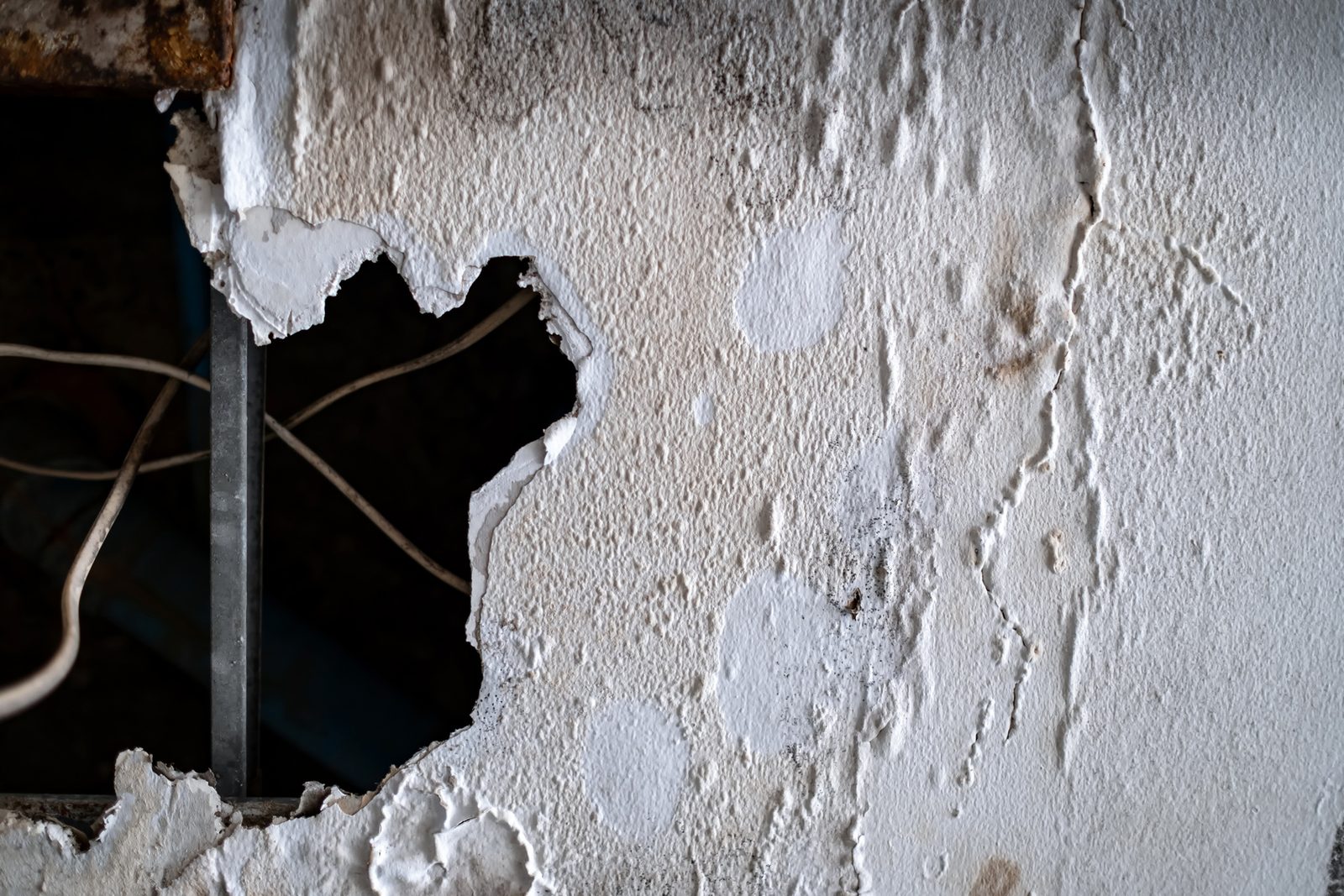
- Clean water from a supply line usually costs less to handle than gray water from a washer or black water from a sewer backup.
- The Florida Department of Health advises cleaning up spills and drying wet building materials and carpets inside 24 hours, and fast drying limits how much has to be torn out.
- Hidden moisture in walls, under cabinets and below flooring is a common reason a job grows after the first look.
- Under section 468.8411, Florida Statutes (2026), mold assessment and mold remediation cover mold growth of more than 10 square feet, which can add separate work to a project.
- FEMA says most homeowners insurance does not cover flood damage, so check your policy and document everything before cleanup starts.
What affects water damage restoration cost in Orlando?
In Orlando, water damage restoration cost is driven by the type of water, the size of the wet area, how long the water sat, which materials can be dried in place, and whether mold or contamination is involved. A local provider weighs all of these during an inspection and puts the scope in a written quote.
Think of the cost as a stack of separate tasks. A project can include:
- Extraction: pulling standing water out of floors.
- Removal: cutting out drywall, insulation, pad or flooring that cannot be saved.
- Drying: fans and dehumidifiers, plus moisture readings.
- Cleaning: needed for gray or black water.
- Contents: moving or cleaning furniture and belongings.
- Rebuild: new drywall, paint, cabinets or flooring.
Our page on structural drying and dehumidification explains the drying step in more detail.
How does the type of water change the cost?
The dirtier the water, the more the job usually involves. Clean water from a broken supply line can often be extracted and dried. Gray water from a washer, dishwasher or toilet overflow needs more cleaning. Black water from a sewer backup or outside flooding usually means porous materials have to be removed and disposed of.
Restoration providers often sort water into three plain categories:
- Clean water: from a pressurized supply line, ice maker line or water heater.
- Gray water: from appliances, sinks or a toilet bowl without waste. It may contain soap, food or bacteria.
- Black water: from sewage, a backed-up drain or outdoor flood water. It can carry bacteria and debris, so wet carpet, pad and drywall are usually removed rather than dried.
If your problem started in a drain or toilet, see our page on sewage backup cleanup.
Why does the size of the wet area matter so much?
More wet square footage means more extraction, more material to remove, more drying equipment and more days of monitoring. Water also moves sideways under flooring and up into drywall, so the wet area is often larger than the visible puddle.
A provider maps the moisture with meters before writing a scope. Common surprises:
- Water under a kitchen island or vanity.
- Wet drywall behind a shared wall.
- Ceilings below an upstairs bathroom.
- Moisture under tile or vinyl plank.
Finding all of the moisture early costs less than finding it later. Our guide to signs of hidden water damage lists what to look for.
Need help now? Call to be connected with a local provider in Orlando who can check availability for your address.
Does how long the water sat affect the price?
Yes. Time is one of the biggest cost drivers in water damage. Materials that are dried quickly can often stay in place, while materials that stay wet for days tend to swell, delaminate or grow mold and have to be replaced.
Here is how delay tends to raise the scope:
- Drywall wicks water upward. The longer it sits, the higher the cut line usually goes.
- Wood flooring and cabinets can cup, warp or come apart at the seams.
- Carpet pad holds water like a sponge and is often removed once it has been wet for a while.
Stop the source, stay away from wet electrical areas, document the damage, and call early. Our post on the first 24 hours after water damage walks through those steps.
Which materials can be dried and which have to be replaced?
Hard, dense materials like concrete slabs and studs can often be dried in place. Porous materials like carpet pad, insulation, particleboard and drywall that soaked up dirty water are more likely to be removed, which grows the rebuild.
- Often dried in place: concrete slab floors, framing lumber, plaster in good shape, and drywall that got wet with clean water and was dried quickly.
- Often removed: carpet pad, wet insulation, swollen particleboard cabinets, laminate flooring, and any porous material touched by black water.
Our page on dry and restore vs. replace covers this decision in plain language.
Can mold or contamination add to the restoration cost?
Yes. If mold has started to grow, or if the water was contaminated, the job usually needs extra steps such as containment, cleaning, removal of affected materials and careful disposal. These steps add labor and time to the overall project.
In Florida, larger mold jobs fall under a specific law. Under section 468.8411, Florida Statutes (2026), mold assessment and mold remediation cover mold growth or mold-contaminated matter of more than 10 square feet. The Florida Department of Health says the Department of Business and Professional Regulation (DBPR) licenses mold assessors and remediators.
The Florida Department of Health does not recommend mold testing or sampling to see if you have a mold problem. See our page on mold remediation after water damage for more.
Does insurance change what I pay for water damage restoration?
It can, but nobody can promise what a policy will pay before the insurer reviews the claim. Many policies treat sudden damage, like a burst pipe, differently from gradual leaks, and flood water is a separate category. Check your policy and document everything.
A few Florida points that affect the money side:
- FEMA says most homeowners insurance does not cover flood damage, and an NFIP flood policy typically has a 30-day waiting period before it takes effect.
- Florida DFS says some homeowners policies do not cover sewer backup, though that coverage may be added by endorsement.
- Under section 627.70132, Florida Statutes (2026), a new or reopened property insurance claim is barred unless notice is given within 1 year after the date of loss.
Photos, moisture readings and a written scope help the claim. Our post on water damage insurance claim basics goes deeper.
What happens during the visit?
When you call, you are connected with a local water damage provider. The visit starts with an inspection, then an explanation of your options, and then a written quote before any work begins.
- Inspection: the provider looks for the source, checks moisture in floors, walls and ceilings with meters, and notes the water category.
- Options explained: you hear what can be dried in place, what likely has to be removed, and what the drying plan looks like.
- Written quote: you get the scope and cost in writing before work starts, so you can compare it with your policy or other quotes.
Water damage restoration costs in Orlando, Kissimmee and Winter Park
Central Florida weather shapes many restoration jobs. An NWS Melbourne study found the median onset of the wet season at Orlando is May 24 and the median onset of the dry season is October 15, and the average wet season lasts 146 days at Orlando. The official Atlantic hurricane season runs from June 1 to November 30. Storm water, roof leaks and overflowing gutters during those months can add up to larger wet areas.
The Florida Department of Health says most experts suggest indoor relative humidity below 60%. In a humid Orlando summer, reaching that level can mean dehumidifiers run longer.
Flood coverage is a separate question. The City of Orlando participates in FEMA's Community Rating System and ranks as a class 6, which it says can equal a 20% discount on flood insurance.
Calls come from across Orlando, Kissimmee, Winter Park, Sanford, Apopka and Lake Mary. See all service areas.
Related pages
Questions people ask
How much does water damage restoration cost in Orlando?
There is no single price, because water damage restoration cost in Orlando depends on the water type, the size of the wet area, how long it sat and what must be replaced. The only reliable figure is a written quote after an on-site inspection.
Why do water damage restoration quotes vary so much between companies?
Quotes vary because providers may see a different scope. One may plan to dry drywall in place while another plans to cut it out, or one may include rebuild work and another may not. Compare the line items, not just the total.
Does sewage water cost more to clean up than clean water?
Yes, in most cases. Sewage is treated as black water, so wet porous materials are usually removed and the area needs extra cleaning, protective gear and careful disposal.
Will drying my house fast really save money on water damage?
Often, yes. The Florida Department of Health advises drying wet building materials and carpets inside 24 hours, and quick drying gives drywall, flooring and cabinets a better chance of being saved instead of replaced.
What is usually the most expensive part of a water damage job?
On many jobs, rebuilding is the largest part, such as new drywall, cabinets or flooring. Extraction and drying are often a smaller share, which is why early drying that saves materials can lower the total.
Can I save money by pulling up wet carpet myself?
Sometimes, but it can backfire. Removing materials before they are photographed can hurt an insurance claim, and wet carpet is heavy and can hide electrical or contamination hazards, so document first and ask before you start.
Does hardwood flooring always have to be replaced after a leak?
No. Hardwood that is dried quickly with the right equipment can sometimes be saved, though it may still cup or need refinishing. Wood that soaked in dirty water or stayed wet for a long time is more likely to come out.
Why did my water damage estimate go up after the work started?
Estimates often change when hidden moisture or damage is found behind walls, under cabinets or below flooring once materials are opened up. Ask the provider to explain any change in writing before the added work begins.
Does mold removal cost extra on top of water damage restoration?
It usually adds separate steps, such as containment, removal of affected materials and cleaning. In Florida, mold growth of more than 10 square feet falls under the state's mold assessment and remediation law.
Is a ceiling leak from an upstairs bathroom expensive to repair?
It depends on how much water came through and how long it ran. Ceiling drywall and insulation often have to come out if they sagged or soaked through, and the source above may need its own repair.
Does homeowners insurance pay the whole water damage restoration bill?
No one can promise that before the insurer reviews the claim. Many policies treat sudden damage differently from gradual leaks, your deductible applies, and flood damage is usually separate, so check your policy and document everything.
Is flood damage in Orlando covered differently than a burst pipe?
Yes. FEMA says most homeowners insurance does not cover flood damage, and Florida DFS says flood damage is not covered by a homeowners policy, so flood losses usually go through a separate flood policy.
Does a hurricane deductible apply to water damage after a storm in Florida?
It can. Florida DFS says the hurricane deductible period starts when the National Hurricane Center issues a hurricane warning for any part of Florida and ends 72 hours after the last watch or warning ends, so check how your policy applies it.
What should a water damage restoration quote include?
A useful quote lists the affected rooms, what will be extracted, what will be removed, the drying plan, cleaning steps and any rebuild work. It should also explain how dryness will be confirmed.
Can I wait until next week to deal with a wet floor to save money?
Waiting usually costs more, not less. Materials that stay wet are more likely to swell, warp or grow mold, which turns a drying job into a removal and rebuild job.
Talk to someone about your water damage problem
Call to be connected with a local provider who can check availability for your address and explain the next step.