Does Renters Insurance Cover Water Damage in Orlando?
Does renters insurance cover water damage? In Orlando, many renters policies cover your belongings after a sudden, accidental leak, such as a burst pipe or an overflowing washer, but they usually exclude flood water and slow leaks. Your landlord's policy covers the building, not your things, so read your policy and document everything.
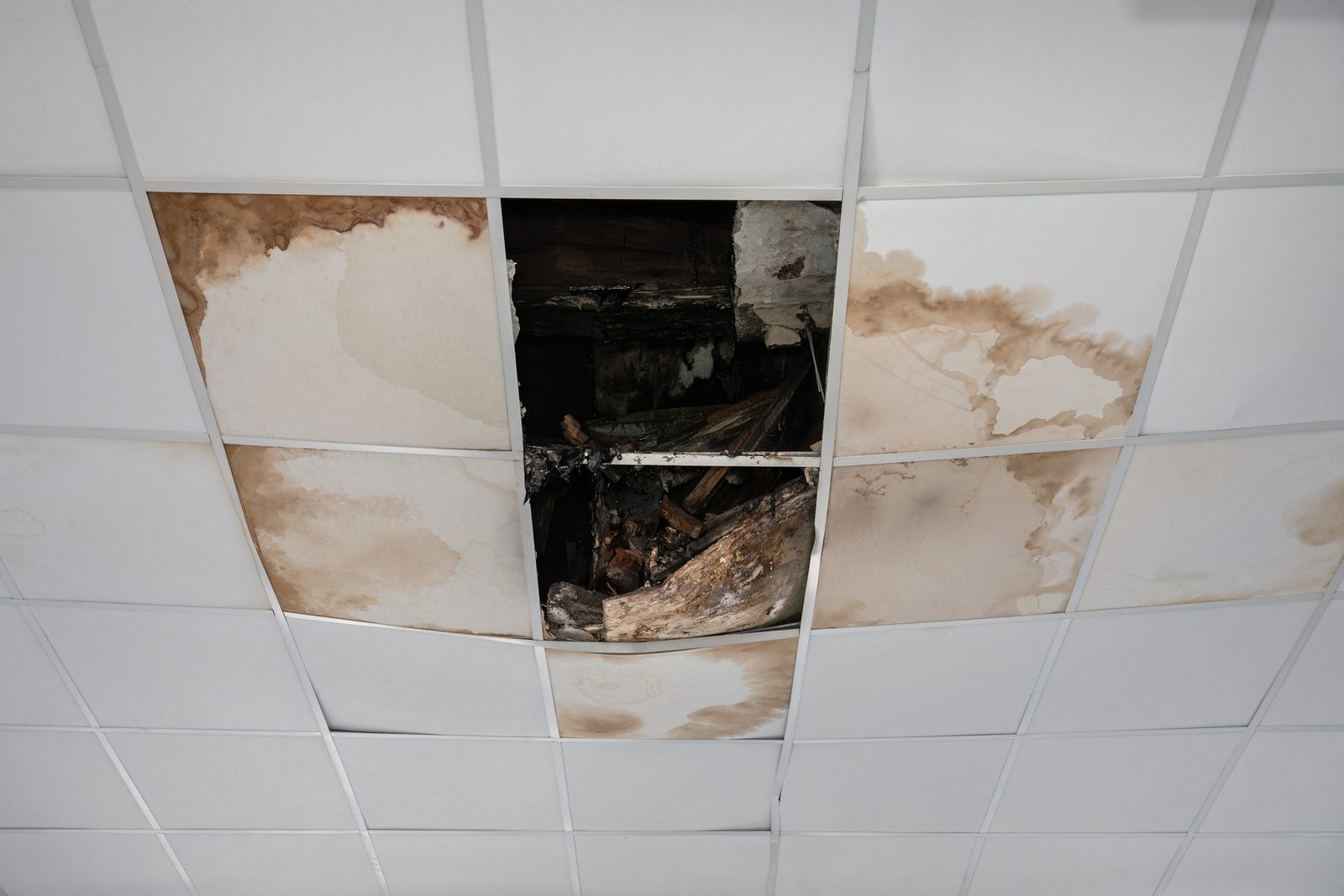
- Many renters policies treat sudden, accidental water damage differently from gradual leaks, so check your policy and document everything.
- FEMA says most homeowners insurance does not cover flood damage, and an NFIP flood policy typically has a 30-day waiting period before it takes effect.
- The City of Orlando recommends that all renters buy flood insurance for their contents.
- The Florida Department of Health advises cleaning up spills and drying wet building materials and carpets in under 24 hours.
- Under section 627.70132, Florida Statutes (2026), a new property insurance claim is barred unless notice is given within 1 year after the date of loss.
What to do first
- Stop the water if you can do it safely, for example by closing the valve behind a toilet or washer, and tell your landlord or property manager right away.
- Stay away from standing water near outlets, cords and appliances, and only switch off a breaker if you can reach the panel from a dry spot.
- Take wide photos and short videos of every wet room and every damaged item before you move or throw anything away.
- Move dry belongings out of the wet area and set damaged items aside so the adjuster can see them.
- Call your renters insurance company to report the loss, then call to be connected with a local water damage provider for the cleanup.
Does renters insurance cover water damage in Orlando apartments and rental homes?
Renters insurance in Orlando often covers water damage to your personal belongings when the cause is sudden and accidental, like a supply line that bursts or a water heater that leaks without warning. It usually does not pay to repair the walls, floors or ceilings, because those belong to your landlord.
A typical renters policy has three main parts. Each one handles water damage a little differently:
- Personal property: your furniture, clothes, electronics and other things you own. This is where most water claims land.
- Loss of use: some policies help with extra living costs if your unit is not livable while it dries out.
- Liability: some policies may respond if water from your unit damages a neighbor's unit or the building. Ask your agent how yours works.
Every policy is different. The exact wording on what causes are covered and what is excluded decides the outcome, so keep a copy of your declarations page handy.
Myth: My landlord's insurance will pay for my damaged belongings
Fact: in most cases, your landlord's policy covers the building, not the things you own inside it. If a pipe bursts in an Orlando apartment, the owner's insurance may handle drywall and flooring, while your couch, laptop and clothes fall to your own renters policy.
This surprises many tenants. A landlord may still be responsible for damage caused by their own neglect, but that is a legal question that depends on your lease and the facts. Do not count on it. Report the problem to your landlord in writing, keep a copy, and file with your own insurer for your belongings. Our guide to flood cleanup in Orlando rental homes explains how owners and tenants usually split cleanup tasks.
Myth: Any kind of water damage is covered
Fact: renters policies usually separate sudden water damage from gradual damage. A sudden event, like a burst pipe or a dishwasher hose that splits, is often covered. A slow drip under a sink that has been rotting the cabinet for months is often excluded as wear, neglect or a maintenance issue.
Here is how water causes often sort out, though your policy wording is what counts:
- Often covered: sudden pipe bursts, overflowing tubs or toilets, a washer or appliance leak, and water from a neighbor's unit above you.
- Often excluded: long-term leaks, mold that grew over time, and damage you could have prevented.
- Usually excluded: flood water from outside, rising groundwater and storm surge.
- May need an add-on: water backing up from a sewer or drain.
If you notice a small leak, report it right away. Waiting can turn a covered sudden loss into a gradual one.
Need help now? Call to be connected with a local provider in Orlando who can check availability for your address.
Myth: Renters insurance covers flooding after a big storm
Fact: flood damage is generally not covered by standard homeowners or renters policies. FEMA says most homeowners insurance does not cover flood damage. The Florida Department of Financial Services says a flood typically means overflow of inland or tidal waters, runoff of surface water from any source, or mudflow.
Renters can buy separate flood coverage for their contents through the National Flood Insurance Program or a private carrier. FEMA says an NFIP flood policy typically has a 30-day waiting period before it takes effect, so buying one when a storm is already on the way is usually too late. Rain that blows through a damaged roof or window is a different situation from rising water, and policies treat the two differently. For storm cleanup, see storm and flood damage cleanup in Orlando.
Myth: Sewer and drain backups are always covered
Fact: they may not be. Florida DFS says some homeowners policies do not cover sewer backup, and water backing up from an outside sewer or drain may be excluded. That coverage may be added by endorsement. Many renters policies follow a similar pattern, so check yours.
Sewer backup is also a cleanup issue, not just an insurance issue. Water from a sewer or drain can carry bacteria, so porous items it touched are often thrown out rather than cleaned. Stay out of the water, keep children and pets away, and let a sewage cleanup provider handle it. Take photos first so your claim has a record.
Myth: Mold from a leak is always part of the claim
Fact: many policies limit or exclude mold, especially when it grows from a slow leak or from water that was not dried quickly. Some policies may cover mold damage that results directly from a covered sudden leak, but often with tight limits.
A smart way to protect your belongings and your claim is to dry things fast. The Florida Department of Health advises cleaning up spills and drying wet building materials and carpets in under 24 hours. It also says most experts suggest indoor relative humidity below 60%, and that keeping it below 50% is ideal for controlling both mold growth and dust mites. Run the air conditioning, report the leak to your landlord, and ask for professional drying if walls or carpet stay wet.
How do I file a renters insurance claim for water damage?
To file a renters insurance claim for water damage, report the loss to your insurer quickly, document every damaged item, and keep receipts for any emergency costs. Tell your landlord in writing at the same time, since they handle the building side.
- Photograph everything before cleanup, including model numbers on electronics and appliances you own.
- Make an item list with a description, rough age and where you bought each item.
- Keep damaged items until the adjuster says you can toss them, unless they are a health risk.
- Save receipts for hotel stays, meals or laundry if your unit is not livable.
- Watch the deadline. Under section 627.70132, Florida Statutes (2026), a new or reopened property insurance claim is barred unless notice is given within 1 year after the date of loss. This is general information, not legal advice.
For more detail, read our water damage insurance claim basics.
What happens during the visit?
During the visit, a local water damage provider inspects the unit, checks how far the water spread, and explains your options before any work starts. You get a written quote first, which you can share with your landlord and your insurer.
- Inspection: a walk-through of every wet room, with moisture readings in walls, floors and cabinets.
- Options explained: what can be dried in place, what should be removed, and whether the water source changes the cleanup plan.
- Written quote: a scope of work in writing before anything begins, which helps keep your claim records clear.
In a rental, the landlord usually approves work on the structure. Ask the provider to share photos and readings with both of you. Most cleanups include structural drying with fans and dehumidifiers.
Water damage and renters insurance in Orlando, Winter Park and Kissimmee
Central Florida renters face a long wet stretch every year. An NWS Melbourne study found the median onset of the wet season at Orlando is May 24 and the median onset of the dry season is October 15. The official Atlantic hurricane season runs from June 1 to November 30, and the National Hurricane Center says it peaks on September 10, so roof leaks and storm water can show up well into fall.
Flood coverage is the big gap for Orlando renters. The City of Orlando recommends that all renters buy flood insurance for their contents, and it notes a 30-day waiting period after buying before coverage takes effect. The city participates in FEMA's Community Rating System and ranks as a class 6, which it says can equal a 20% discount on flood insurance. Under Florida law, the date of loss for a hurricane claim is the date the hurricane made landfall.
Calls come from renters across Orlando, Winter Park, Kissimmee, Altamonte Springs, Sanford and Lake Mary. See all service areas.
Related pages
Questions people ask
Does renters insurance cover water damage from a burst pipe?
Often, yes, for your belongings. Many renters policies cover personal property damaged by a sudden, accidental pipe burst, while the landlord's policy usually handles the walls and floors. Check your policy wording and document everything.
Does renters insurance cover water damage if my upstairs neighbor's unit leaks into mine?
Usually your own renters policy is where you start for your belongings. Your insurer may later seek repayment from the neighbor's insurer if the neighbor was at fault, but you should not wait on that to file.
Will my landlord's insurance pay for my ruined furniture after a leak?
In most cases, no. A landlord's policy covers the building, and your things fall under your own renters policy. A landlord may be responsible if their neglect caused the damage, but that depends on your lease and the facts.
Does renters insurance cover flood damage in Orlando?
Generally, no. Standard renters and homeowners policies exclude flood, which Florida DFS describes as overflow of inland or tidal waters, surface water runoff or mudflow. Renters can buy separate flood coverage for contents.
Can I buy flood insurance as a renter in Florida?
Yes. Renters can buy contents-only flood coverage through the National Flood Insurance Program or a private carrier. FEMA says an NFIP policy typically has a 30-day waiting period before it takes effect.
Is a slow leak under my sink covered by renters insurance?
Often not. Many policies exclude damage from slow, ongoing leaks as wear or a maintenance issue. Report small leaks to your landlord right away so they do not turn into gradual damage.
Does renters insurance pay for a hotel if my apartment is too wet to live in?
Some policies do, through loss of use or additional living expense coverage. It usually applies only when the cause of the damage is covered, so ask your insurer and keep every receipt.
Is mold covered by renters insurance after a water leak?
Sometimes, but often with limits. Many policies exclude mold from slow leaks or from water that was not dried quickly. Drying wet materials fast, as the Florida Department of Health advises, helps protect both your things and your claim.
Does renters insurance cover sewer backup in my apartment?
It may not. Florida DFS says some policies do not cover water backing up from an outside sewer or drain, but that coverage may be added by endorsement. Check your policy or ask your agent.
What if water from my washing machine damages the apartment below me?
Your renters policy's liability part may respond if you are found responsible for the damage. Report it to your insurer and landlord quickly, and take photos of your machine, hoses and the leak area.
How long do I have to file a water damage claim in Florida?
Under section 627.70132, Florida Statutes (2026), notice of a new property insurance claim must be given within 1 year after the date of loss. Report sooner when you can, since quick reporting makes documentation easier. This is general information, not legal advice.
Should I throw away wet belongings before the adjuster comes?
Not unless they are a health risk. Photograph damaged items and keep them set aside until your insurer says you can discard them. If something must go, take clear photos and note the brand and model first.
What should a renter do first when they find water damage?
Stop the water if you can do it safely, tell your landlord in writing, and photograph everything. Then call your renters insurance company and call to be connected with a local water damage provider for cleanup.
Will a water damage claim cancel my renters insurance in Florida?
Florida DFS says a single water-damage claim may not be the sole reason an insurer cancels a property policy, unless the insurer shows you failed to take reasonable steps it requested to prevent a similar loss. Renewal and premium questions are separate.
Does renters insurance cover water damage from a hurricane?
It depends on the source. Rain that enters through storm damage to the roof or windows may be treated differently from rising flood water, which is generally excluded. Read your policy and document the damage right away.
Is a leaking roof covered by renters insurance in Orlando?
The roof itself is the landlord's responsibility, but your belongings damaged by the leak may be covered if the cause is sudden and accidental. Report the leak to your landlord quickly so it is fixed before more rain arrives.
Can I clean up water damage in my rental myself?
You can safely stop the water, mop small spills and move dry items, but tell your landlord before removing anything built in. Larger leaks, sewer water or wet walls usually call for professional drying.
How do I prove what I owned for a renters insurance claim?
Use photos, videos, receipts, bank or card statements and online order history. A quick video walk-through of your rental, stored in the cloud, makes future claims much easier.
Talk to someone about your water damage problem
Call to be connected with a local provider who can check availability for your address and explain the next step.