Emergency Roof Leak Repair in Orlando
Emergency roof leak repair in Orlando starts inside the house: catch the water, protect what you can, take photos, and dry wet materials fast. This page explains what to do in the first hours after a sudden leak, how storms affect the damage, and how to call to be connected with a local provider.
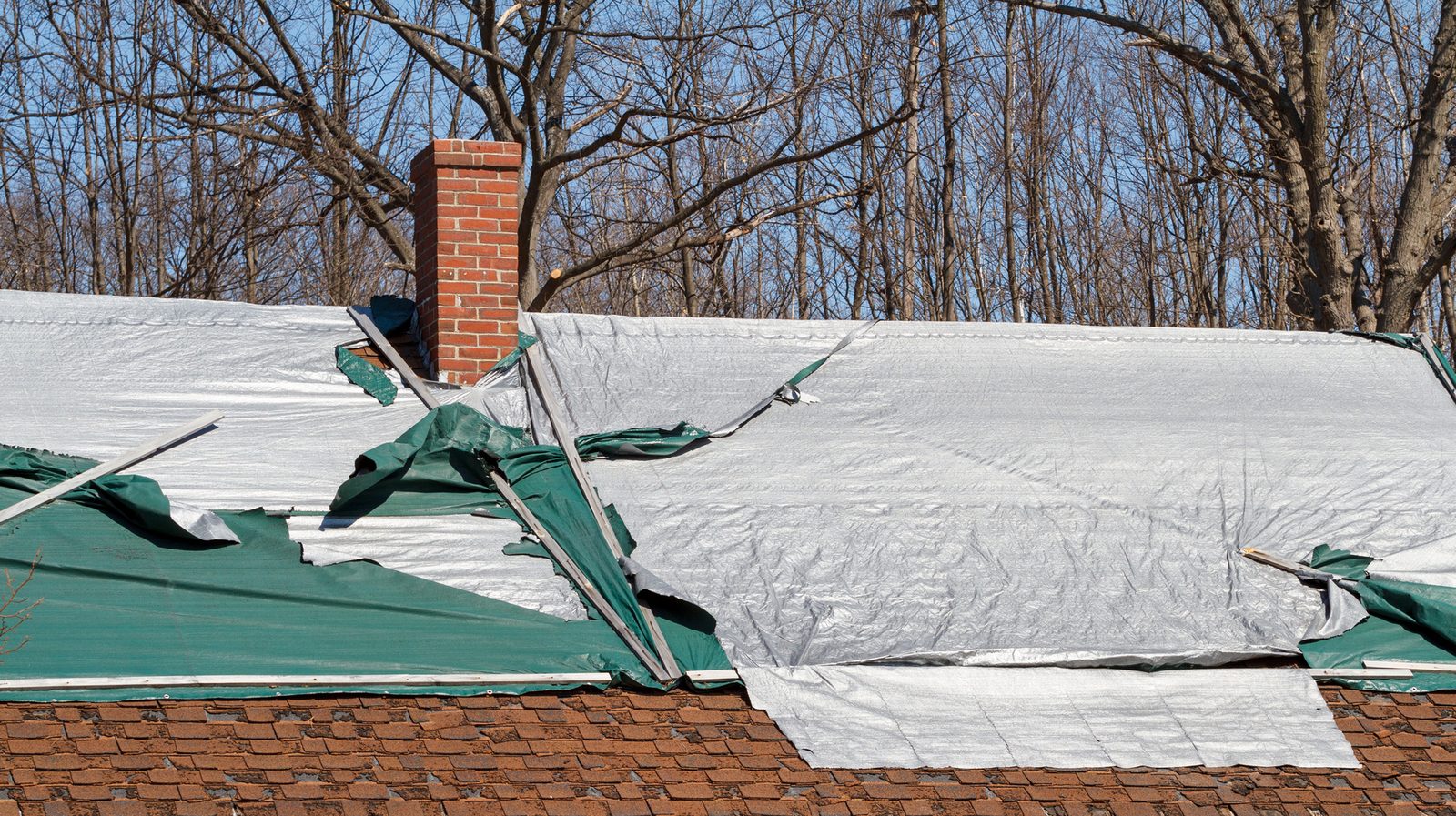
- The official Atlantic hurricane season runs from June 1 to November 30, so storm-driven roof leaks can happen well into fall in Orlando.
- The Florida Department of Health advises cleaning up spills and drying wet building materials and carpets in under 24 hours.
- A roof leak has two problems: the opening in the roof and the water already inside the walls, ceiling and floors.
- Many policies treat sudden damage differently from gradual leaks, so check your policy and document everything.
- Under Florida law, notice of a new property insurance claim must be given within 1 year after the date of loss.
What to do first
- Stay out of rooms where the ceiling is sagging, bulging or dripping heavily, and keep kids and pets away.
- Turn off power to the wet area at the breaker only if you can reach the panel from a dry spot.
- Put buckets or bins under drips and move furniture, rugs and electronics out of the wet area.
- Take wide photos and short videos of the ceiling, walls, floors and damaged items before you clean up.
- Call to be connected with a local provider who can check the water damage and help you plan the next steps for the roof.
What should I do first when my roof starts leaking in Orlando?
When your roof starts leaking in Orlando, focus on safety and the water inside first. Catch drips, move belongings, take photos, and keep people out of rooms with a sagging ceiling. Do not climb onto a wet roof during a storm.
A small drip can turn into a soaked attic, wet insulation and a stained ceiling in one rainy afternoon. The roof opening has to be covered or repaired, but the water that already got in also needs attention. Wet drywall, insulation and flooring hold moisture for days if nothing is done. For more on early steps, see the first 24 hours after water damage.
Who handles emergency roof leak repair and the water damage inside?
Emergency roof leak repair usually involves two kinds of work: a roofer covers or fixes the opening, and a water damage provider dries out the attic, ceiling, walls and floors. Calling the number on this page connects you with a local provider for the water damage side.
Many homeowners only think about the roof and forget the inside. Water runs along rafters and pipes, so the wet spot on your ceiling may be far from where the roof actually failed. A water damage provider can measure moisture, find how far the water spread, and explain what can be dried and what should be removed. Learn more about roof leak water damage cleanup in Orlando.
How can I tell how far the water spread?
You often cannot tell by looking. Water from a roof leak can soak attic insulation, run inside walls and settle under flooring before you see a stain. Moisture meters and thermal cameras help a provider find wet areas you cannot see.
- Look for brown rings, bubbling paint or peeling tape on drywall seams.
- Check closets, outlets and baseboards below the leak.
- Notice musty smells in rooms near the wet spot.
These are only clues. A provider can take readings and map the wet area so nothing is missed. Our guide to signs of hidden water damage lists more things to watch for.
Need help now? Call to be connected with a local provider in Orlando who can check availability for your address.
Is a ceiling leak after a storm dangerous?
A ceiling leak after a storm can be dangerous if the drywall is sagging, the water is near light fixtures or outlets, or the leak is spreading fast. Keep people out of that room and shut off power to the area if you can do it from a dry spot.
Wet drywall gets heavy and can give way. Some people poke a small hole in a bulging ceiling to let water drain into a bucket, but only do that if you can stand safely to the side and there is no wiring nearby. When in doubt, leave it alone and call for help.
How fast does a wet attic and ceiling need to dry?
A wet attic and ceiling should be dried as fast as possible. The Florida Department of Health advises cleaning up spills and drying wet building materials and carpets in under 24 hours, which helps limit mold growth.
Orlando's humid air slows drying, and attics trap heat and moisture. Fans alone often are not enough. A provider may use air movers and dehumidifiers, and may remove soaked insulation. The Florida Department of Health says most experts suggest indoor relative humidity below 60%, and below 50% is ideal for controlling mold growth and dust mites. See how structural drying works.
What should I photograph for insurance after a roof leak?
Photograph everything before cleanup starts: the ceiling stain, wet walls, damaged floors, soaked belongings and, if safe, the outside of the roof from the ground. Note the date and time you first saw the leak.
Many policies treat sudden damage differently from gradual leaks, so check your policy and document everything. Keep receipts for tarps, buckets and any emergency work. Save the provider's written scope and moisture readings. Our insurance claim basics guide covers the Florida claim process in more detail.
What happens during the visit?
During the visit, a local provider inspects the leak area, checks moisture in the attic, ceiling, walls and floors, and explains your options before any work starts. You get a written quote first, so you can decide with clear information.
- Inspection: a walk-through of every affected room and the attic, with moisture readings.
- Options explained: what can be dried in place, what should come out, and what to ask a roofer about the opening.
- Written quote: a scope of work in writing before drying or removal begins, which also helps with insurance records.
Can I fix a roof leak myself until help arrives?
You can protect the inside of your home yourself, but climbing on a wet or steep roof is risky. Inside, catch drips, move belongings and run fans. Leave tarping and roof work to someone with the right equipment, especially during wind or lightning.
Covering furniture with plastic, rolling up rugs and lifting items off the floor all help. Avoid using a household vacuum on water. If water has reached electrical outlets or the breaker panel, stay away and wait for help.
Roof leaks and water damage in Orlando, Winter Park and Kissimmee
Central Florida gets heavy rain for much of the year. An NWS Melbourne study found the median onset of the wet season at Orlando is May 24 and the median onset of the dry season is October 15, and the average wet season lasts 146 days at Orlando. That long stretch of storms puts steady stress on roofs.
The official Atlantic hurricane season runs from June 1 to November 30. The National Hurricane Center says the season peaks on September 10, with most activity between mid-August and mid-October. For a hurricane claim, Florida law sets the date of loss as the date the hurricane made landfall, so keep a record of when your leak started.
Calls come from homeowners across Orlando, Winter Park, Kissimmee, Sanford, Lake Mary and Apopka. See all service areas.
Related pages
Questions people ask
Who do I call for emergency roof leak repair in Orlando?
For the water damage from a roof leak in Orlando, call the number on this page to be connected with a local provider. You will also need a roofer to cover or fix the opening in the roof.
What should I do right now if water is dripping from my ceiling?
Put a bucket under the drip, move belongings away and keep people out of the room if the ceiling sags. Take photos, then call to be connected with a local water damage provider in Orlando.
Should I poke a hole in a bulging ceiling from a roof leak?
Only if you can stand safely to the side, there is no wiring or light fixture nearby and you have a bucket ready. If you are unsure, leave it alone and keep the room empty until someone can check it.
Can a roof leak cause damage inside the walls?
Yes. Water from a roof leak in an Orlando home can run along rafters and down inside walls before any stain shows. Moisture readings help find wet areas you cannot see.
Does wet attic insulation need to be replaced after a roof leak?
Often, yes. Soaked insulation holds water and dries slowly in Orlando's humidity, so a provider may recommend removing it. Lightly damp insulation can sometimes be dried, depending on how long it was wet.
How long does it take to dry out a ceiling after a roof leak?
It depends on how much water got in, the materials and the humidity. A provider in Orlando can take moisture readings and explain the drying plan for your home before work begins.
Will mold grow after a roof leak in Florida?
It can if wet materials stay damp. The Florida Department of Health advises drying wet building materials and carpets in under 24 hours to help limit mold growth, so act quickly.
Do I need mold testing after a roof leak?
Not usually. The Florida Department of Health does not recommend mold testing or sampling to see if you have a mold problem. Focus on drying the area and fixing the leak.
Is it safe to stay in my house with a leaking roof?
Often it is, as long as the leak is limited, the ceiling is not sagging and water is not near electrical fixtures. Close off the wet room and keep people out of it.
Is roof leak water damage covered by homeowners insurance in Florida?
It depends on your policy and the cause. Many policies treat sudden damage differently from gradual leaks, so check your policy and document everything before cleanup.
How long do I have to report roof leak damage to my insurance in Florida?
Under section 627.70132, Florida Statutes, notice of a new or reopened property claim must be given within 1 year after the date of loss. A supplemental claim must be given within 18 months.
What is the date of loss if a hurricane damaged my roof?
Under Florida law, the date of loss for a hurricane claim is the date the hurricane made landfall. For other storms, it is the date NOAA verifies the event.
Should I throw out wet carpet and furniture after a roof leak?
Not before you photograph it. Take pictures and keep a list, and ask a provider whether items can be dried before you throw anything away.
Can I put a tarp on my roof myself after a storm?
It is risky on a wet or steep roof, especially in wind or lightning. Many people protect the inside of the home and leave tarping to someone with the right equipment.
Why is my ceiling stain far from where the roof is damaged?
Water travels along rafters, pipes and wiring before it drips through. That is why the stain in an Orlando ceiling may be several feet away from the actual roof opening.
What does a water damage provider do after a roof leak?
A provider checks moisture in the attic, ceiling, walls and floors, explains what can be dried or removed, and gives a written quote before starting. You still need a roofer for the roof itself.
Can a small roof leak wait until the weekend is over?
It is better not to wait. Even a small leak in Orlando can soak insulation and drywall, and wet materials are easier to save when they are dried quickly.
Do roof leaks happen more during the Orlando rainy season?
Many do. An NWS Melbourne study found the average wet season lasts 146 days at Orlando, so roofs face heavy rain for much of the year.
What should I tell the person I call about my roof leak?
Share your address, where the water is coming in, which rooms are wet and whether the ceiling is sagging. Mention if the leak started during a named storm.
Talk to someone about your water damage problem
Call to be connected with a local provider who can check availability for your address and explain the next step.