Emergency Water Extraction in Orlando: Wet Vac or Call?
Emergency water extraction in Orlando makes sense when water covers more than a small spot, soaks carpet or drywall, comes from a dirty source, or keeps spreading. A shop vacuum can handle a small, clean spill on a hard floor. This page helps you decide, and you can call to be connected with a local provider.
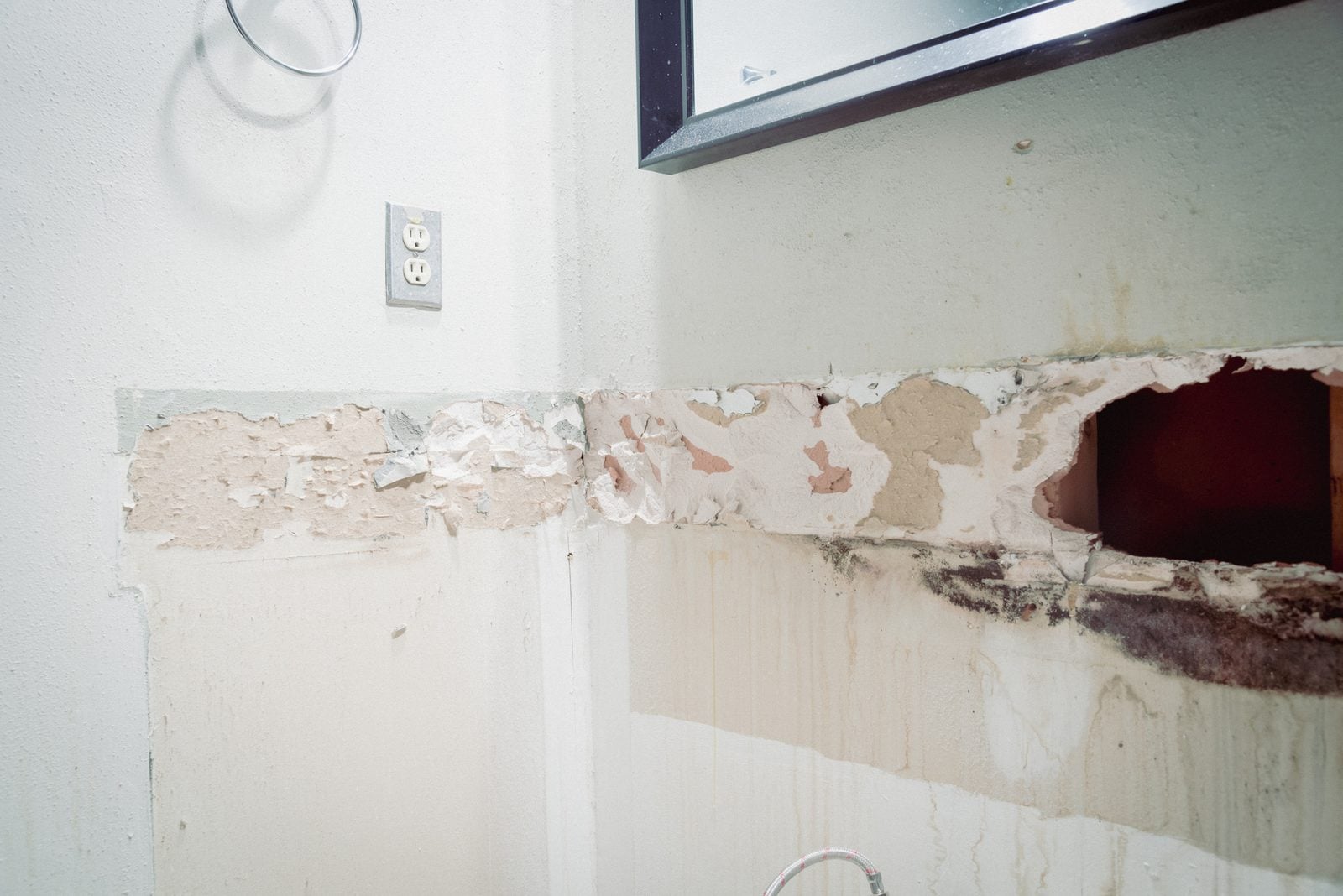
- A wet vac pulls up standing water, but it cannot pull water out of carpet pad, drywall or subfloor.
- The Florida Department of Health advises cleaning up spills and drying wet building materials and carpets in under 24 hours.
- Water from sewage, floods or outdoor runoff is dirty water and is not a do-it-yourself cleanup.
- Most experts suggest indoor relative humidity below 60%, according to the Florida Department of Health.
- Many policies treat sudden damage differently from gradual leaks, so check your policy and document everything.
What to do first
- Stop the water if you can. Close the main shut-off valve or the valve for the leaking fixture.
- Stay out of standing water near outlets, cords or appliances, and turn off power at the breaker only if you can reach it from a dry spot.
- Take wide photos and short videos of the water, the source and damaged items before you clean up.
- Move rugs, furniture, electronics and boxes off the wet floor.
- If the water is more than a small clean spill, call to be connected with a local water damage provider.
When do you need emergency water extraction instead of a wet vac?
You need emergency water extraction when water covers more than one small area, has soaked into carpet or walls, came from a dirty source, or keeps coming back. A wet vac is fine for a small, clean spill on tile or vinyl that you catch right away.
The question is not just how much water you can see. It is how much water has moved into places you cannot see. Water runs under baseboards, wicks up drywall and spreads through carpet pad. A wet vac only reaches the surface. Professional extraction tools are built to pull water out of carpet and pad, and providers use moisture meters to find where the water went. Learn more on our emergency water extraction in Orlando page.
What can a shop vacuum actually handle after a leak?
A shop vacuum can handle a small, clean water spill on a hard surface, like an overflowing sink on a tile floor or a few gallons from a supply line under a vanity. If you catch it fast and the water has not reached carpet, drywall or cabinets, a wet vac and some towels may be enough.
Shop vacuums have small tanks, so you will empty them often. They also struggle with carpet. You may pull water off the top while the pad underneath stays soaked. After you vacuum, run fans, keep the air conditioning on and watch the area for a few days. If baseboards swell, paint bubbles or a musty smell shows up, the water went further than you thought.
What are the signs a DIY cleanup is not enough?
A DIY cleanup is not enough when the carpet still feels damp after a day, drywall feels soft, baseboards swell, or a musty smell appears. Those signs mean water is trapped in the materials, not just sitting on top of them.
- Water spread into more than one room or under walls.
- Carpet and pad are soaked, not just damp on top.
- Water came from above, like a ceiling or upstairs bathroom.
- Hardwood or laminate is cupping or lifting.
- The water came from a toilet, drain, sewer line or outdoor flooding.
For more warning signs, read our guide to signs of hidden water damage.
Need help now? Call to be connected with a local provider in Orlando who can check availability for your address.
Does the type of water change the decision?
Yes. The source of the water matters more than the amount. Clean water from a supply line is the easiest case. Gray water from a washer or dishwasher needs more care. Dirty water from sewage, toilets with waste, or outdoor flooding should not be a DIY job.
Dirty water can carry bacteria and debris into carpet, drywall and furniture. Porous items it touches often need to be removed rather than dried. Clean water can also turn worse if it sits for a day or more in a warm house. If you are not sure where the water came from, treat it as dirty and call to be connected with a local provider. See more about sewage backup cleanup in Orlando.
Why does fast extraction matter so much in Central Florida?
Fast extraction matters because wet materials stay wet longer in warm, humid air. The Florida Department of Health advises cleaning up spills and drying wet building materials and carpets in under 24 hours. The more water you remove early, the less drying time the house needs.
Extraction and drying are two steps. Extraction pulls out the liquid water. Drying uses air movers and dehumidifiers to pull out the moisture left behind in walls, subfloors and cabinets. Skipping the first step makes the second one slower. Read how structural drying and dehumidification works after the water is out.
Is renting a carpet cleaner the same as water extraction?
No. A rented carpet cleaner is made to wash carpet, not to remove large amounts of water. It holds a small amount of water and has limited suction, so it often leaves the pad underneath wet.
Professional extraction equipment is built to pull water from carpet and pad. Providers also check whether soaked pad should be removed so the subfloor below can dry.
What happens during the visit?
During the visit, a local water damage provider inspects the area, finds the source, checks moisture levels, explains your options and gives you a written quote before any work starts. You decide what happens next.
The inspection usually covers floors, walls, baseboards and cabinets near the water. Moisture meters and sometimes thermal cameras show how far the water spread. The provider will explain what can be dried in place and what may need to come out, like soaked pad or the bottom of wet drywall. Ask questions, ask for photos of moisture readings, and keep a copy of the quote for your records. Read more about how it works.
Should I call my insurance company before water extraction?
You can start limiting the damage before you talk to your insurer, but document everything first. Take photos and videos of the water, the source and damaged items, and keep any parts like a burst supply line.
Many policies treat sudden damage differently from gradual leaks, so check your policy and document everything. FEMA says most homeowners insurance does not cover flood damage, and Florida DFS says some policies may exclude water that backs up from an outside sewer or drain. Keep receipts and the written quote. For more, read water damage insurance claim basics.
Emergency water extraction in Orlando, Kissimmee and Winter Park
Orlando gets a long, wet summer. An NWS Melbourne study found the median onset of the wet season at Orlando is May 24 and the median onset of the dry season is October 15, and the average wet season lasts 146 days at Orlando. Heavy afternoon storms can push water under doors and into garages and first floors.
The official Atlantic hurricane season runs from June 1 to November 30, so storm water can still be a problem in early winter. The Florida Department of Health says most experts suggest indoor relative humidity below 60%, which is hard to hold when a room has standing water. If outdoor floodwater came inside, remember that FEMA says an NFIP flood policy typically has a 30-day waiting period before it takes effect.
Calls come from across Orlando, Kissimmee, Winter Park, Sanford, Oviedo, Clermont and Winter Garden. See all service areas.
Related pages
Questions people ask
Is a wet vac enough to clean up water in my house?
A wet vac is enough for a small, clean spill on a hard floor that you catch right away. It is not enough when water has soaked carpet, drywall or cabinets, because it cannot pull water out of those materials.
When should I call for emergency water extraction in Orlando?
Call for emergency water extraction in Orlando when water covers more than a small spot, has soaked into carpet or walls, came from a dirty source, or keeps spreading. Call the number on this page to be connected with a local provider.
Can I use a carpet cleaner to suck up water from a flooded room?
A carpet cleaner is not built for that. It has a small tank and limited suction, so it usually leaves the carpet pad wet even when the top feels drier.
How do I know if water got under my carpet pad?
Press down on the carpet with a dry towel. If the towel comes up wet, or the carpet feels squishy, the pad is likely soaked and may need to be pulled or professionally extracted.
Is it safe to vacuum water near electrical outlets?
No, not while the power is on. Turn off power to the area at the breaker only if you can reach the panel from a dry spot, and stay out of standing water near outlets or cords.
Can I clean up toilet overflow water myself?
A small overflow of clean bowl water on tile is usually manageable. If the water had waste in it or came from a sewer backup, it is dirty water and should be handled by a provider with the right equipment.
What is the difference between water extraction and drying?
Extraction removes the liquid water. Drying removes the moisture left in walls, floors and cabinets afterward, usually with air movers and dehumidifiers.
Will fans alone dry out a wet carpet?
Fans help with a lightly damp carpet, but they rarely dry a soaked pad and subfloor on their own. Without extraction first, moisture can stay trapped for days.
How fast should standing water be removed from my home?
As fast as you safely can. The Florida Department of Health advises cleaning up spills and drying wet building materials and carpets in under 24 hours.
Does wet drywall always have to be cut out?
Not always. Drywall that was wet briefly with clean water can sometimes be dried in place, while drywall that is soft, crumbling or touched by dirty water usually needs to be removed.
Why does my house smell musty after I cleaned up the water?
A musty smell usually means moisture is still trapped somewhere, like in the carpet pad, under baseboards or inside a wall. That is a sign the cleanup reached the surface but not the hidden water.
Should I rent a dehumidifier after a water leak in Florida?
A dehumidifier helps, especially in humid weather. The Florida Department of Health says most experts suggest indoor relative humidity below 60%, and a room with wet materials will often sit well above that.
Is water from a flooded garage a DIY cleanup?
If the water came from outside, like storm runoff, treat it as dirty water. It can carry soil, chemicals and bacteria, so it is safer to call to be connected with a local provider.
Will my insurance pay if I did the water cleanup myself?
That depends on your policy. Many policies treat sudden damage differently from gradual leaks, so check your policy, document everything with photos and keep receipts for anything you buy.
What should I take photos of before water extraction starts?
Take wide photos and close-ups of the standing water, the source of the leak, wet walls and floors, and each damaged item. Short videos that pan across each room are also helpful.
Can water extraction be done in a condo or apartment in Orlando?
Yes. Water extraction works the same in condos and apartments, but you may also need to tell the building manager or landlord, since water can travel into units below.
What does a water damage provider check during the first visit?
They look for the source, measure moisture in floors and walls, and see how far the water spread. Then they explain your options and give a written quote before any work begins.
Does it matter if the water has been sitting for a couple of days?
Yes. Water that sits longer soaks deeper into materials and can turn from clean to dirty in a warm house. Older water damage often means more materials need to be removed.
Talk to someone about your water damage problem
Call to be connected with a local provider who can check availability for your address and explain the next step.